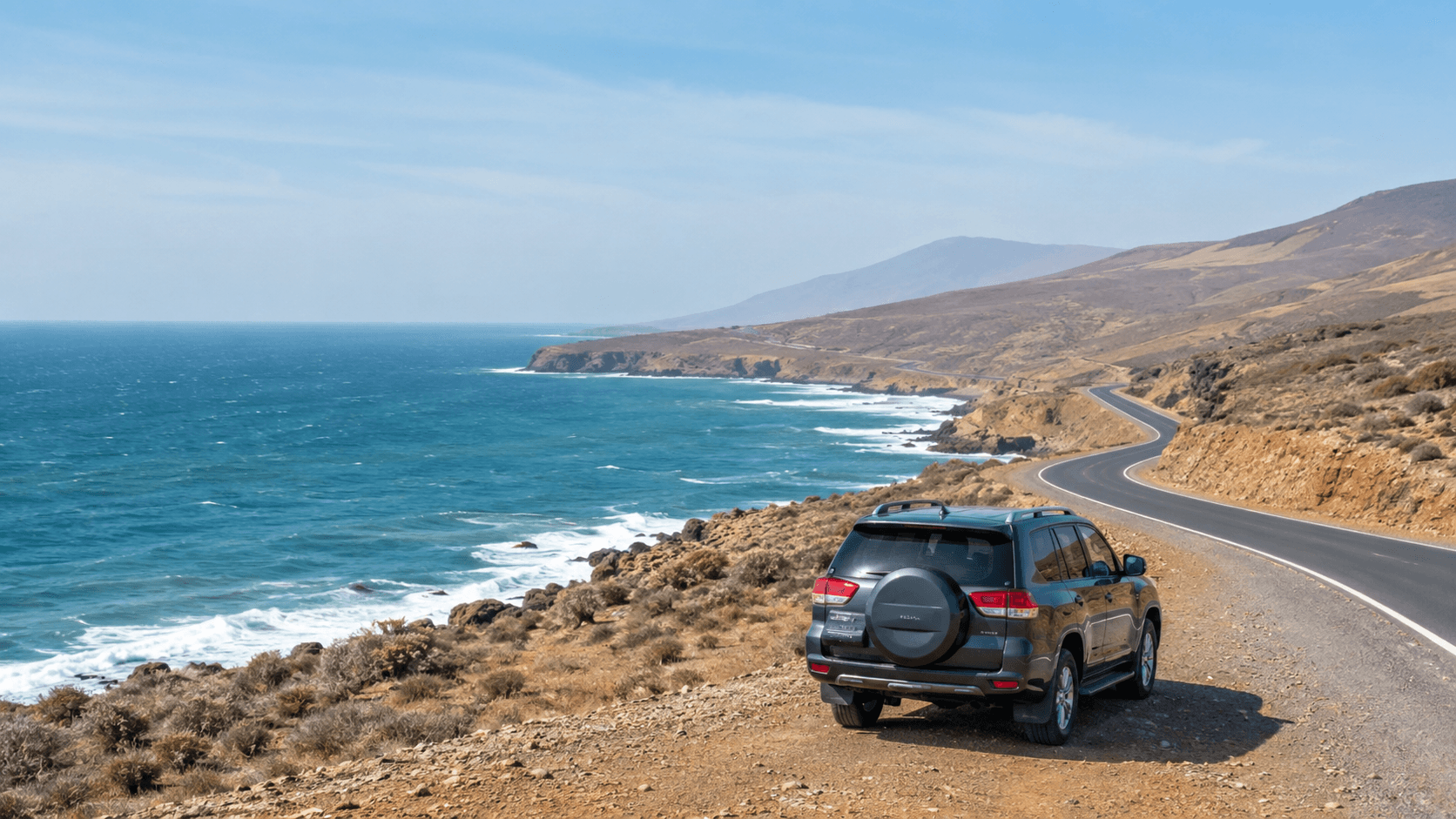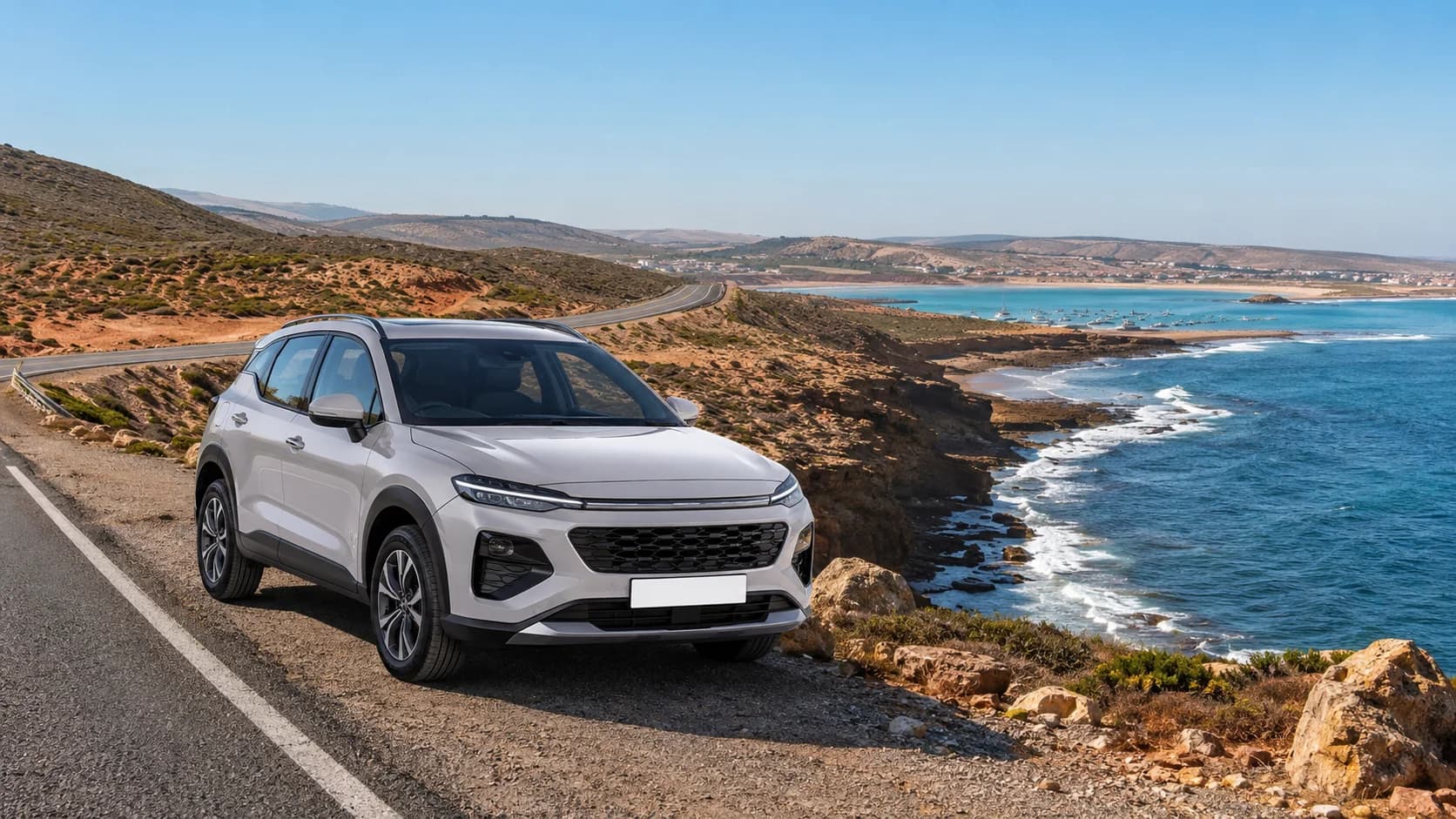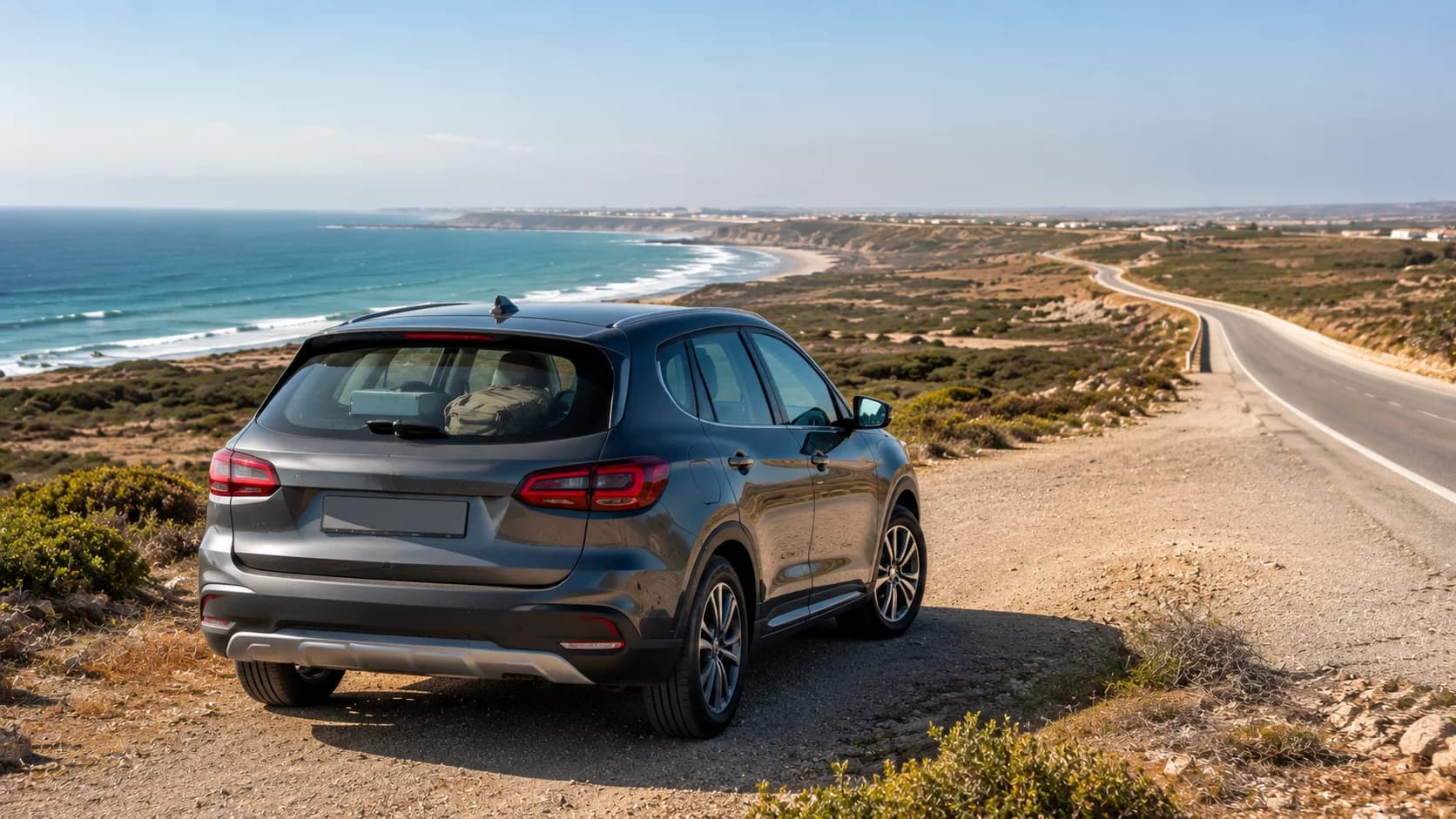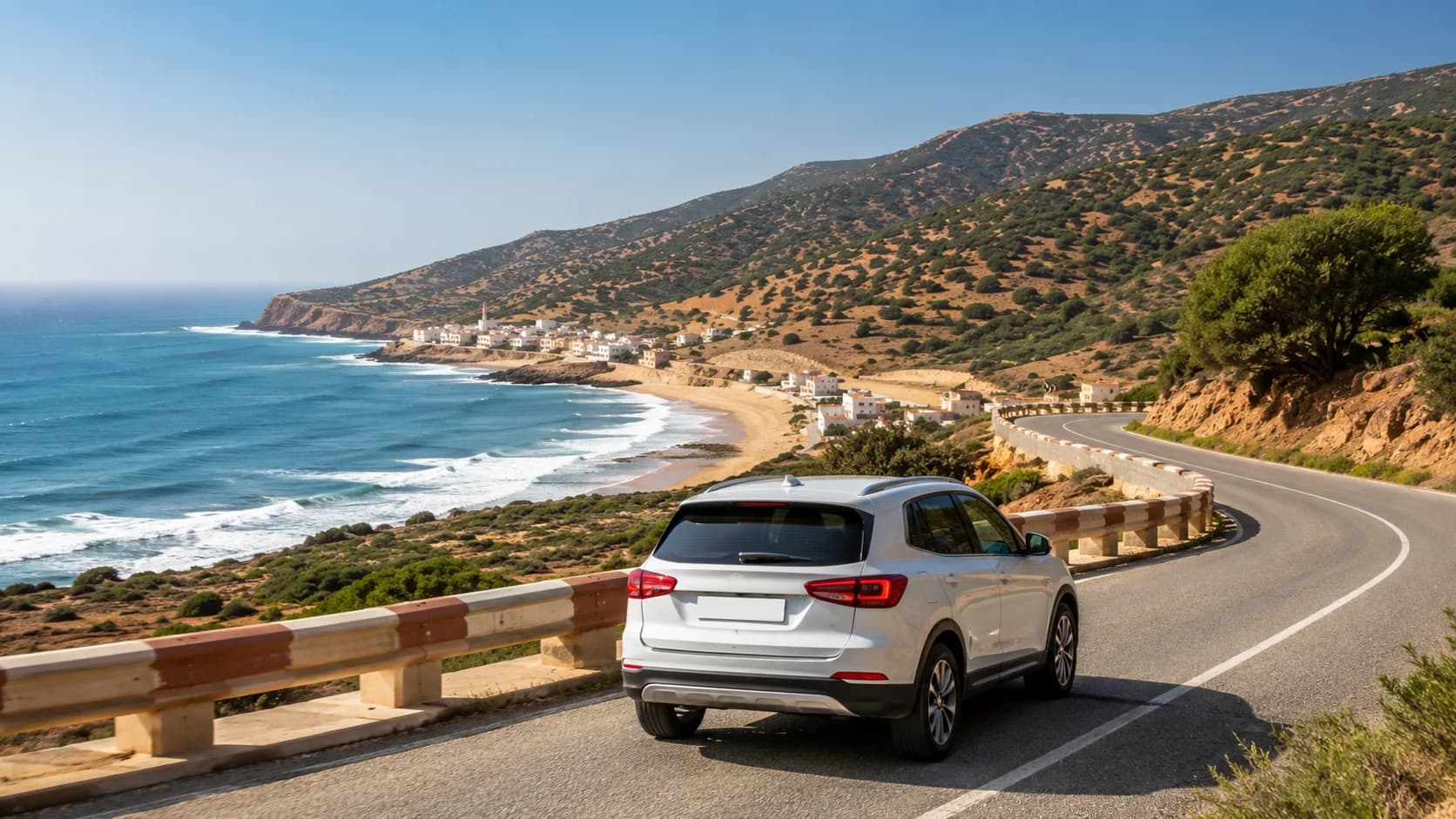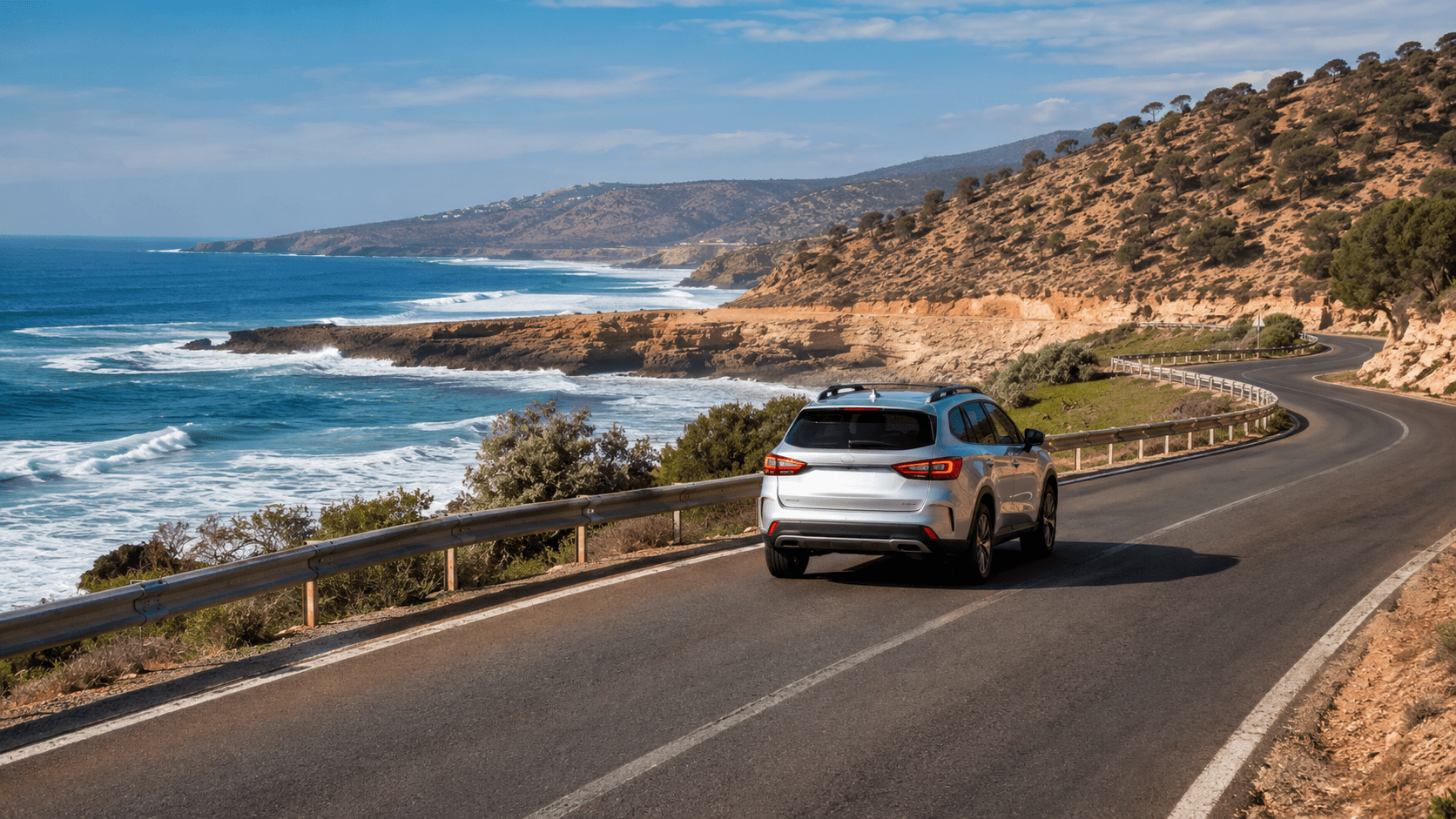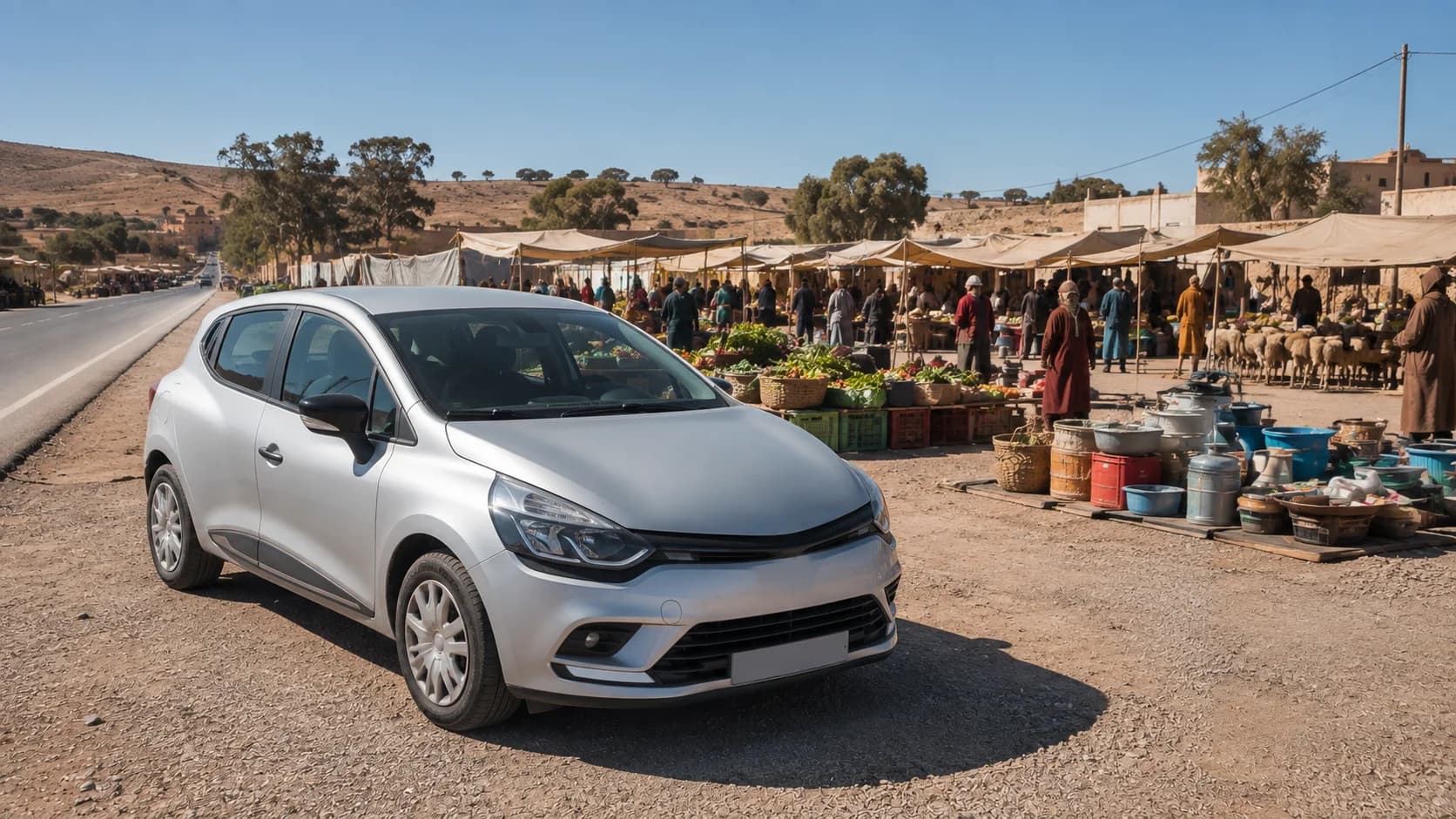









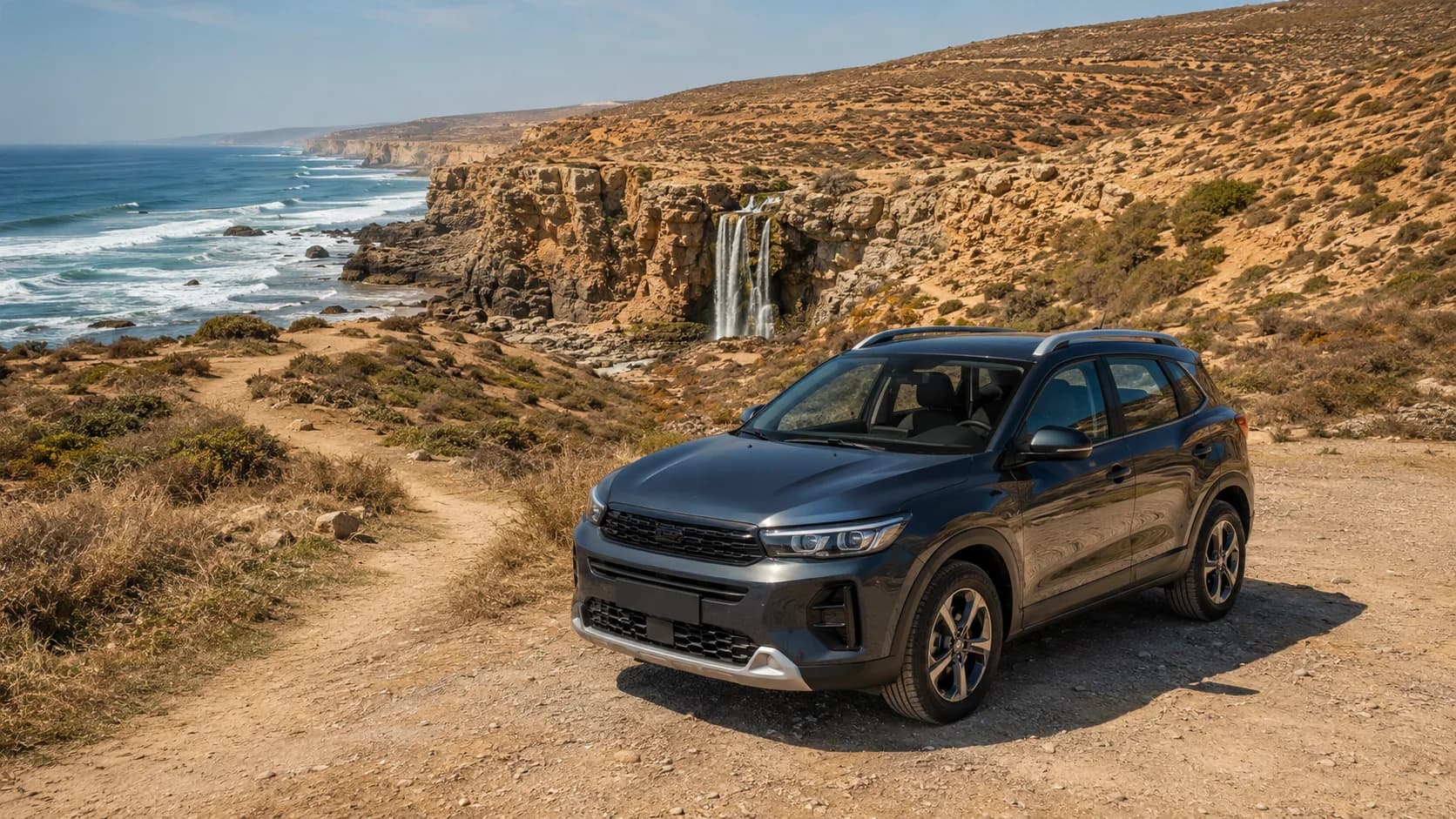
The trip from Essaouira to Sidi M'Barek waterfalls is a rewarding choice for travelers who want to leave the city and explore a quieter stretch of Morocco’s Atlantic coast. Rather than a conventional roadside attraction, Sidi M'Barek is best understood as a nature excursion combining a scenic drive, rural access, walking, dunes, cliffs and coastal landscapes.
The area lies roughly 35 km south of Essaouira, and organized excursions commonly combine the waterfalls with countryside and coastal walking. Recent visitor information also makes an important point: the amount of flowing water can vary considerably because of dry conditions, so visitors should enjoy Sidi M'Barek for the overall landscape rather than expecting a powerful waterfall in every season.
For travelers with a rental car, the key is choosing a suitable vehicle, allowing enough daylight and understanding that the final part of the visit is completed on foot.
Table of Contents
- Sidi M'Barek from Essaouira
- Distance and driving time
- Best route and final access
- Road conditions near the waterfalls
- Where to park
- Walking and seasonal conditions
- What type of rental car is suitable
- What to bring and trip checklist
- Planning the excursion from Essaouira
- Main-road driving versus final local access
- Seasonal water and weather expectations
- Parking without blocking local access
- Walking from the vehicle to viewpoints
- When extra ground clearance helps
- Nature-trip preparation
Sidi M'Barek from Essaouira
Sidi M'Barek is approximately 35 km south of Essaouira and is generally reachable as a half-day nature excursion by car. Allow roughly 40–50 minutes for the drive depending on your starting point, traffic and the exact access point you use.
You should not plan on driving directly beside the waterfall. The attraction is part of a natural coastal landscape, and walking is normally required after leaving the vehicle. Some guided visits involve considerably longer walks through fields, dunes and coastline, while other access descriptions put the direct walk from a parking area at roughly 20–25 minutes.
A standard rental car can be suitable in normal dry conditions if you remain on appropriate roads. An SUV can provide additional ground clearance and comfort where the final local approach becomes rougher.
Distance and Driving Time
The Sidi M'Barek area is around 35 km south of Essaouira, making it considerably closer than many full-day excursions from the city.
For most visitors, budgeting around 40 to 50 minutes each way is sensible. One travel description places the waterfalls about a 40-minute drive from Essaouira.
Actual travel time can change depending on:
-
where your accommodation is located in Essaouira;
-
traffic when leaving the city;
-
the road used for the final approach;
-
whether you stop along the coast;
-
current surface and weather conditions.
Because the destination involves walking, do not judge the excursion only by driving time. A relaxed visit can easily occupy several hours.
Best Route and Final Access
The journey begins by leaving Essaouira toward the coastline south of the city. Sidi M'Barek sits in the broader coastal area beyond Sidi Kaouki, where the scenery gradually changes from urban surroundings to villages, farmland, argan landscapes and Atlantic countryside.
The most important distinction for drivers is between the main-road portion of the journey and the final local access.
The majority of the trip should be treated as a normal road journey. When approaching the waterfall area, however, navigation apps may show smaller rural roads or tracks. Road surfaces and the practical stopping point can change, so avoid assuming that every mapped line is suitable for an ordinary rental vehicle.
Use navigation to reach the general Sidi M'Barek area, but once the road becomes noticeably rough, narrow or uncertain, choose a safe place to stop rather than attempting to drive unnecessarily close to the waterfall.
Road Conditions Near the Waterfalls
You do not automatically need serious off-road capability simply because you are visiting Sidi M'Barek.
That distinction matters when choosing a rental car.
The drive from Essaouira is primarily a normal coastal excursion. The more variable part is the local access near the destination. Depending on recent weather and which approach you follow, you may encounter:
-
narrower local roads;
-
uneven surfaces;
-
loose gravel;
-
sand near coastal areas;
-
potholes or erosion;
-
reduced space for passing or turning.
A normal hatchback or sedan may be perfectly practical when conditions are dry and you stop before a rough section.
Do not take a standard rental car onto deep sand, badly washed-out tracks or surfaces not permitted by your rental agreement simply to reduce the walking distance.
Where to Park
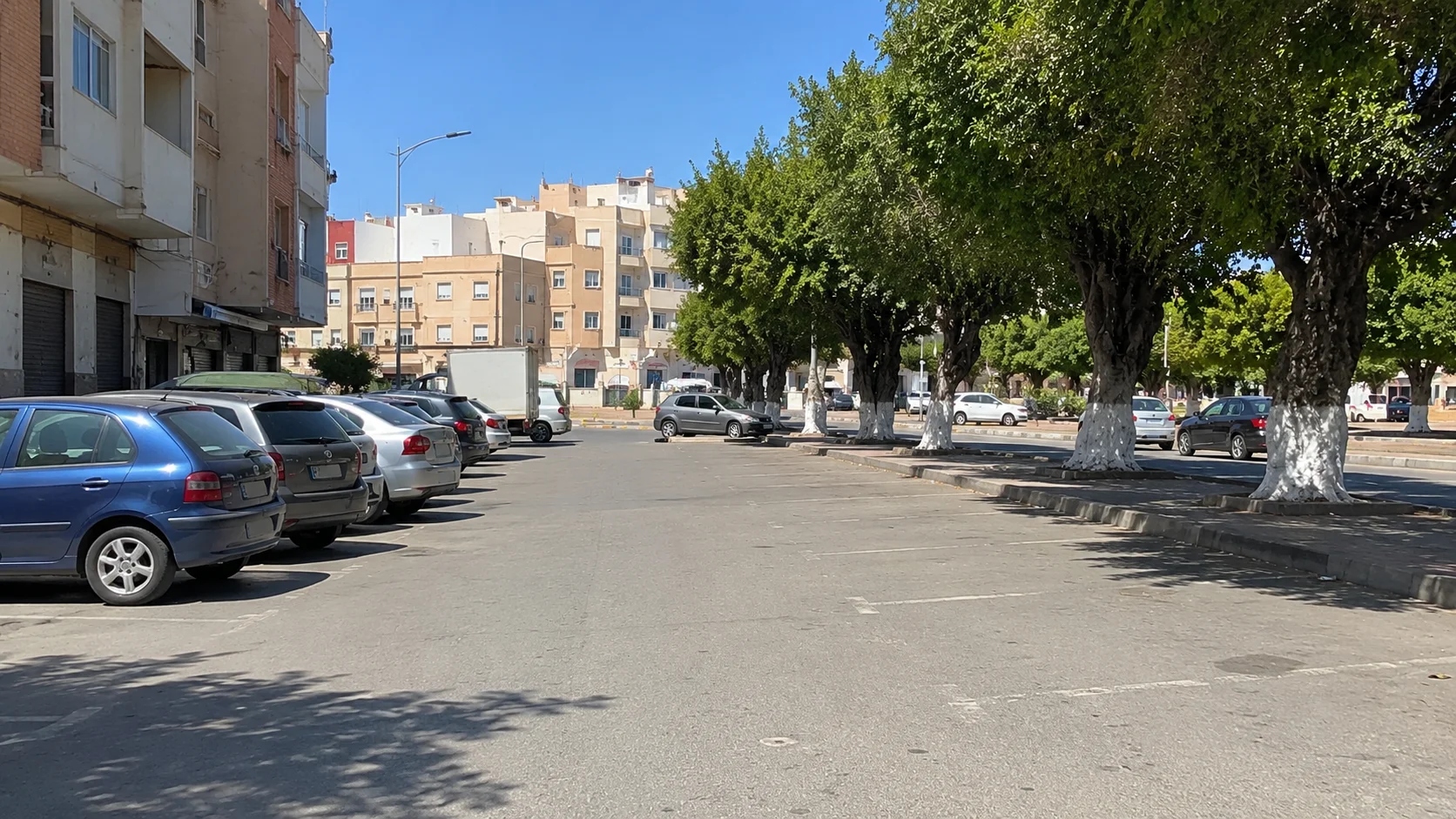
Sidi M'Barek should not be approached like a developed attraction with a large paved visitor parking facility.
Instead, expect a more informal rural access situation.
Your priority should be to leave the car on firm, stable ground where it does not obstruct residents, agricultural access, other vehicles or walking routes.
Before leaving the vehicle:
-
Make sure another vehicle can pass.
-
Avoid stopping across gates or tracks.
-
Check that the surface is firm enough for your return.
-
Do not leave the vehicle where loose sand could make departure difficult.
-
Take valuables with you rather than leaving them visible inside.
Because access arrangements can evolve, local advice on the day is more reliable than assuming a specific permanent parking area exists.
Walking and Seasonal Conditions
The waterfall is not simply a viewpoint that you observe from your car.
Walking is part of the experience.
Depending on where you stop and which route you follow, the walk may involve dirt paths, dunes, slopes, rocky areas or beach sections. One visitor guide estimates around 25 minutes from a parking area, while guided experiences in the wider landscape can involve several kilometres and two to three hours of walking.
This difference is important: the direct waterfall visit and a full Sidi M'Barek coastal hike are not necessarily the same itinerary.
Wear shoes with reasonable grip rather than treating the excursion as a roadside photo stop.
What Type of Rental Car Is Suitable?
The right vehicle depends more on your trip style and road conditions than on the name of the attraction.
Standard or cheap rental car
A compact rental can work well for travelers visiting in dry conditions who are comfortable parking before poor road surfaces.
A smaller car also offers advantages around Essaouira itself, particularly when returning to busy central areas.
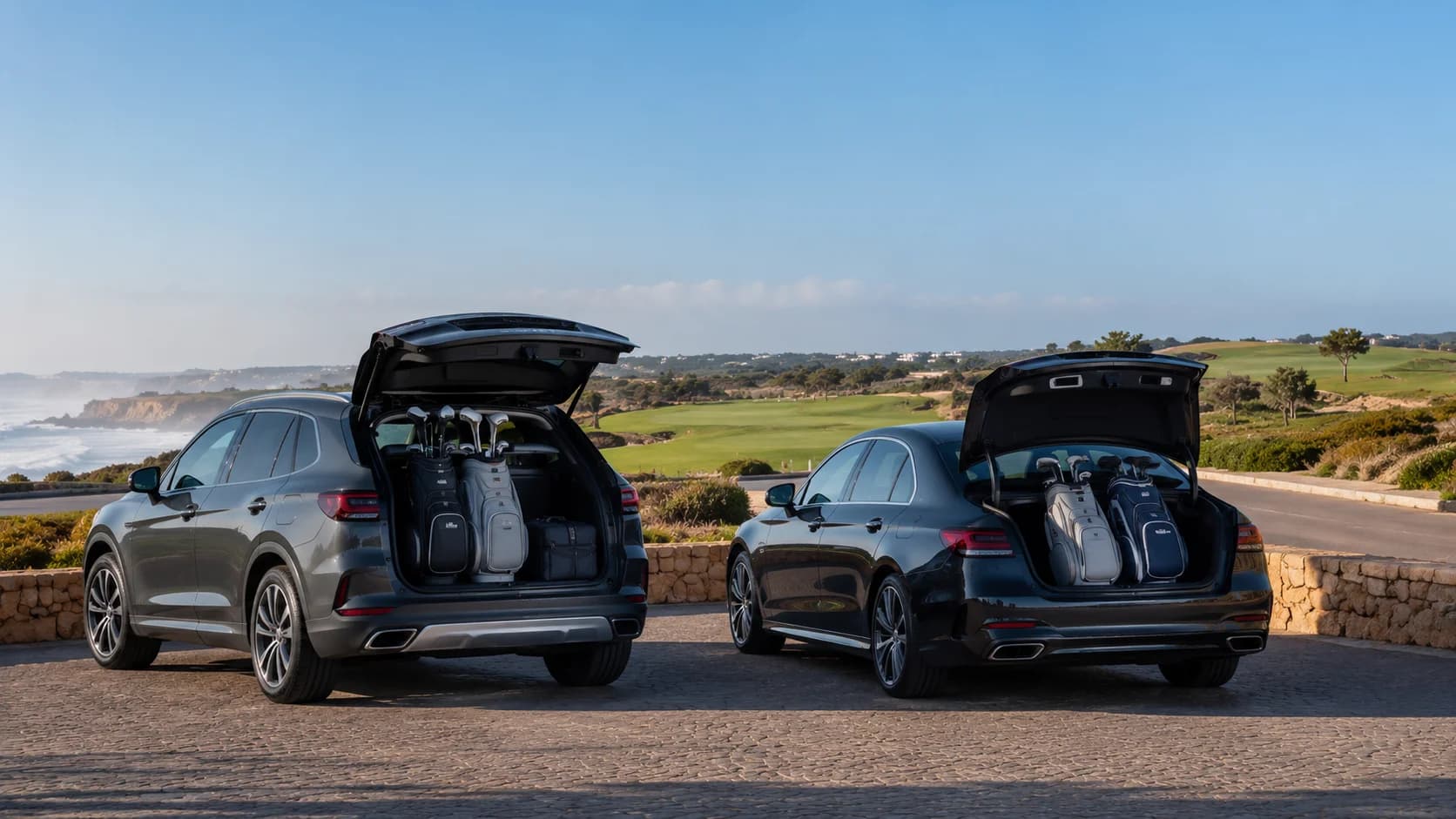
Explore cheap car rental in Essaouira if you are planning a straightforward coastal excursion and do not intend to drive onto difficult tracks.
SUV
An SUV can make sense if you prefer:
-
additional ground clearance;
-
easier travel over uneven local roads;
-
more luggage space;
-
a higher driving position;
-
greater comfort when combining several rural destinations.
See SUV rental in Essaouira for vehicles better suited to travelers planning multiple nature excursions.
4x4
A 4x4 should not be presented as mandatory for every visitor to Sidi M'Barek.
However, travelers planning several rural routes, rougher terrain or more adventurous itineraries may prefer the additional capability of a 4x4 rental in Essaouira.
Vehicle capability does not replace sensible route selection. Rental restrictions can still apply to unpaved or off-road driving.
What to Bring and Trip Checklist
Sidi M'Barek is a relatively undeveloped nature excursion, so arrive prepared rather than expecting the facilities available at a major tourist attraction.
Useful items include:
-
drinking water;
-
comfortable walking shoes;
-
sun protection;
-
hat or sunglasses;
-
charged phone;
-
offline map or saved location;
-
light layer for coastal wind;
-
small snacks;
-
simple first-aid supplies;
-
secure bag for valuables.
Recent visitor reports specifically recommend bringing sneakers and water for the walking portions of the excursion.
Planning the Excursion from Essaouira
A half-day schedule works for many travelers.
Leaving Essaouira in the morning gives you generous daylight for finding the access point, walking and returning without rushing. An afternoon departure can also work, particularly if you want coastal light later in the day, but avoid beginning an unfamiliar rural walk too close to darkness.
Before departure, check:
-
your fuel level;
-
phone battery;
-
weather;
-
navigation route;
-
rental-car restrictions;
-
sunset time;
-
current local access conditions.
Downloading the destination area for offline navigation can also be useful where mobile reception becomes inconsistent.
Main-Road Driving Versus Final Local Access
One of the most common misunderstandings about visiting natural attractions in Morocco is treating the entire journey as either “paved” or “off road.”
In reality, Sidi M'Barek is better understood in sections.
Essaouira to the general destination area: mostly conventional driving.
Final local approach: potentially smaller and more variable roads.
Last part of the visit: walking.
This means you should not choose a 4x4 solely because you have heard the word “waterfall.” Equally, you should not force a low-clearance car along a deteriorating track because navigation suggests the destination is only a few hundred metres farther.
Parking earlier and walking is often the simpler decision.
Seasonal Water and Weather Expectations
The word “waterfalls” can create unrealistic expectations.
Sidi M'Barek is strongly affected by rainfall and seasonal water availability. Tour information currently warns that the cascade may be dry because of drought, while recent descriptions continue to promote the dunes, cliffs, coast and surrounding landscape as worthwhile even when water flow is limited.
Therefore, there is no reliable guarantee that visitors will encounter a large flowing waterfall on a particular day.
After wetter periods, the landscape may appear greener and water flow may improve. Conversely, prolonged dry weather can significantly reduce the cascade.
After heavy rain, local tracks and walking surfaces can also become more difficult.
The best approach is to treat the waterfall as one element of a wider coastal nature experience rather than the only reason for making the trip.
Parking Without Blocking Local Access
Sidi M'Barek remains a rural environment rather than a purpose-built tourism complex.
When choosing where to stop, remember that tracks may be used by local residents, farmers or other vehicles.
Avoid:
-
blocking entrances;
-
parking in cultivated areas;
-
stopping in the middle of a narrow track;
-
leaving the vehicle on unstable sand;
-
occupying turning areas;
-
assuming an empty piece of ground is public parking.
If local residents indicate a better place to leave the car, following that guidance is usually preferable to relying solely on your navigation app.
Walking from the Vehicle to Viewpoints
Once you leave the vehicle, slow down and treat the remainder as a nature walk.
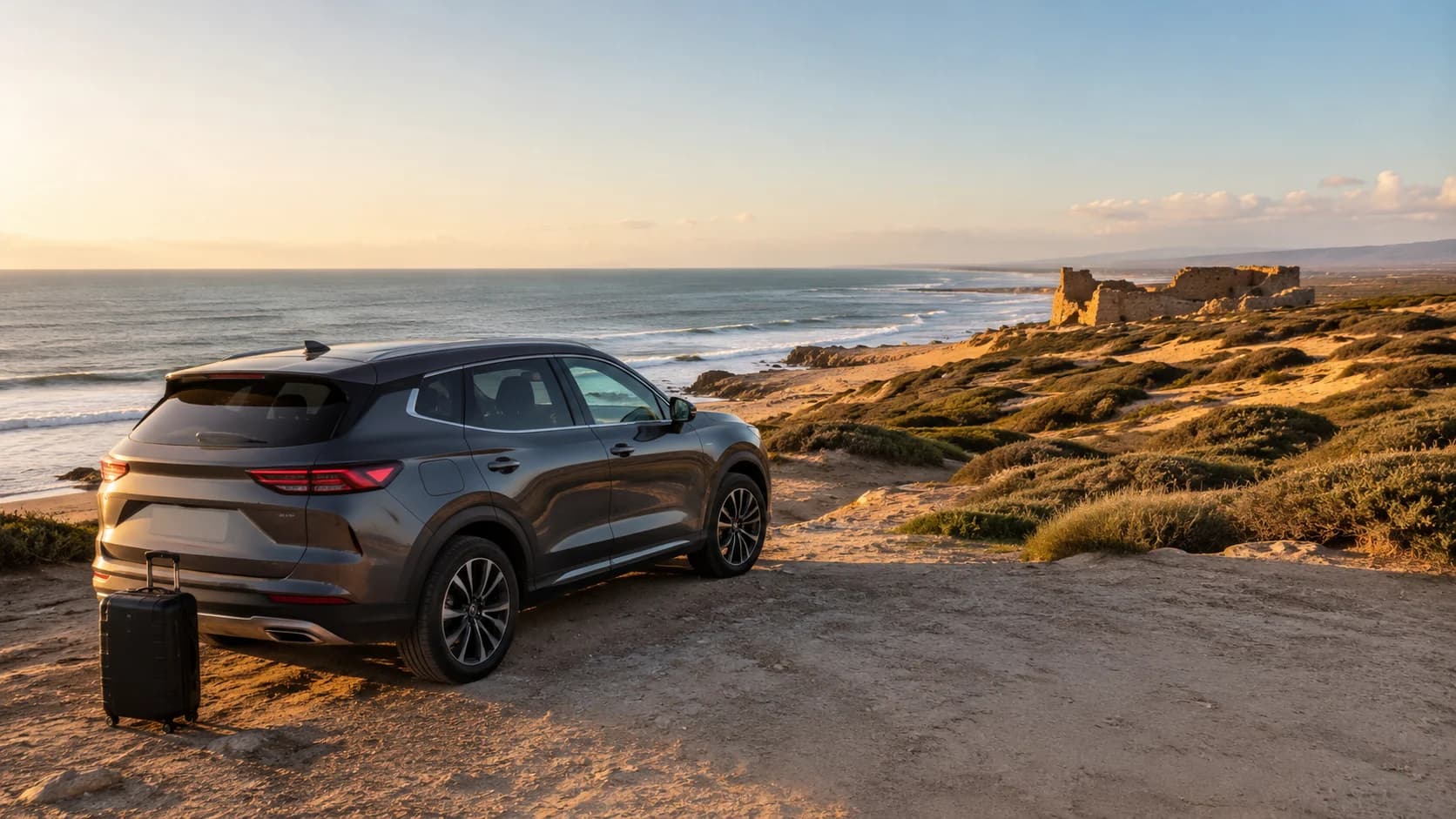
The landscape around Sidi M'Barek includes dunes, cliffs, coastline and natural paths. Current local excursion descriptions focus as much on the coastal scenery as on the waterfall itself.
Walking surfaces can be uneven, particularly around loose sand and slopes.
Families with children can visit, but parents should judge the walking conditions according to the child’s age and ability. Close supervision is sensible near steep, rocky or cliff-side terrain.
Visitors with limited mobility should investigate the current approach before travelling because reaching the main viewpoints may involve terrain that is very different from a paved tourist attraction.
When Extra Ground Clearance Helps
An SUV becomes useful when the goal is not simply reaching Sidi M'Barek but building a broader rural itinerary around Essaouira.
Additional ground clearance can provide more confidence on uneven local surfaces and reduce the need to worry about minor ruts or rough edges.
It becomes particularly relevant when:
-
recent rain has damaged local surfaces;
-
your itinerary includes several rural stops;
-
you are carrying substantial luggage or equipment;
-
you prefer to avoid a very low vehicle;
-
you plan additional nature excursions around the Essaouira region.
However, increased clearance should not encourage risky driving.
If a road clearly changes into deep sand, a badly eroded track or uncertain terrain, turning around remains preferable to testing the limits of a rental vehicle.
Nature-Trip Preparation
Sidi M'Barek works best when approached as an independent nature excursion rather than a tightly scheduled sightseeing stop.
Give yourself time to:
-
drive without rushing;
-
identify a sensible place to park;
-
walk at a comfortable pace;
-
enjoy the coastal scenery;
-
adjust the itinerary if water levels are low;
-
return to Essaouira while you still have adequate daylight.
You can also combine the excursion with another coastal stop if daylight and conditions allow. Sidi Kaouki is a natural option for travelers already exploring south of Essaouira, although trying to fit too many destinations into one afternoon can make the trip unnecessarily rushed.
Frequently Asked Questions
How far are Sidi M'Barek Waterfalls from Essaouira?
The Sidi M'Barek area is approximately 35 km south of Essaouira.
How long is the drive to Sidi M'Barek?
Plan on approximately 40–50 minutes from Essaouira, depending on your starting point, traffic and the final access route. One published travel description estimates about 40 minutes.
Can you drive all the way to the waterfalls?
You should expect to complete the final section on foot rather than driving directly beside the waterfall. Reported walking distances vary according to the chosen approach and itinerary.
Is the road paved?
Most of the journey from Essaouira can be completed as a normal road trip, but the final local approach can involve smaller and less consistent surfaces. Conditions should be assessed on the day rather than assuming every mapped access road is suitable.
Do I need a 4x4 for Sidi M'Barek?
Not necessarily. A normal rental car can be suitable in dry conditions if you remain on appropriate roads and park before rough terrain. An SUV or 4x4 can be useful for additional clearance or a broader rural itinerary.
Where do you park for the waterfalls?
Expect informal local parking rather than a major developed visitor car park. Choose firm ground without blocking houses, gates, tracks or local access.
What is the best time of year to visit?
Conditions depend heavily on rainfall. Water flow can be limited or even absent during dry periods, so check recent conditions before travelling if seeing flowing water is particularly important.
Can children visit the waterfalls?
Yes, families can visit, but the walking terrain may include sand, slopes and uneven ground. Parents should choose an appropriate route and supervise children carefully.
Can I combine Sidi M'Barek with a beach stop?
Yes. The waterfall area itself is closely connected with the Atlantic coastal landscape, and Sidi Kaouki can also fit naturally into a south-of-Essaouira itinerary.
Is the trip suitable for a normal rental car?
Generally, yes, provided local conditions are suitable and you avoid taking the vehicle onto poor tracks, deep sand or terrain prohibited by the rental agreement.
Explore the Coast Beyond Essaouira
A drive to Sidi M'Barek offers a different perspective on the Essaouira region: quieter roads, rural landscapes, dunes, cliffs and the Atlantic coast rather than another conventional city attraction.
The most important part of planning the excursion is not finding the biggest vehicle possible. It is matching the car to your itinerary, leaving enough daylight, respecting local access and being prepared to walk when the road stops being suitable.
MarHire Car Essaouira can help you choose a practical vehicle for nature excursions while keeping your route, luggage and expected road conditions in mind. Explore an SUV rental in Essaouira, compare cheap car rental options, or consider a 4x4 rental in Essaouira when your wider itinerary requires additional ground clearance.