






Had Draa market from Essaouira is one of the most interesting Sunday excursions for travellers who want to see how a working rural market operates outside the coastal city. Located roughly 25 to 30 kilometres from Essaouira, the souk brings together farmers, traders and residents from the surrounding countryside for weekly shopping, livestock trading and social gatherings. The journey usually takes around 25 to 35 minutes by car, depending on your departure point and Sunday traffic.
This is not a staged attraction designed mainly for visitors. It is an active local marketplace, so arriving early, carrying small cash and behaving respectfully will make the experience easier for both you and the people working there.
Table of Contents
- When and how to visit
- What is Had Draa market?
- Driving from Essaouira to Had Draa
- Best arrival time on Sunday
- Parking near the souk
- What visitors will see
- Cash, bargaining and practical etiquette
- Photography and respectful behaviour
- Rental car, taxi or organised trip
- Sunday market checklist
- Frequently asked questions
When and How to Visit
Had Draa market takes place every Sunday morning. For the fullest market experience, plan to arrive between approximately 8:00 and 9:00. The market begins early, and some activity, particularly around livestock and agricultural trade, may slow down before the general shopping areas close. Sources describing visits to the souk consistently recommend going early, with some noting that activity begins around sunrise.
From Essaouira, allow approximately 25 to 35 minutes each way. A rental car offers the most flexibility because you can choose your departure time, leave when the market becomes crowded and combine the visit with another countryside stop.
Bring Moroccan dirhams in small denominations, closed shoes, drinking water and sun protection. Most visitors can spend around two hours at the market, although those interested in local produce and rural trade may want longer.
What Is Had Draa Market?
Had Draa souk is a large weekly rural market serving communities around Essaouira. It is held every Sunday and is commonly described as one of the largest markets in the surrounding region. Farmers and traders travel from nearby villages to sell agricultural produce, animals, household supplies and other everyday goods.
The market also has an important social function. People meet friends, exchange local news, drink tea and complete the shopping needed for the coming week. It should therefore be understood first as a working community space rather than simply as a tourist sight.
Visitors may find the experience more intense than shopping in Essaouira’s medina. The ground may be dusty or uneven, the pathways can become crowded, and different parts of the market serve very different purposes.
There is no need to romanticise the souk or describe it as untouched by time. It is a practical commercial gathering that continues to serve present-day needs in the countryside.
Driving from Essaouira to Had Draa
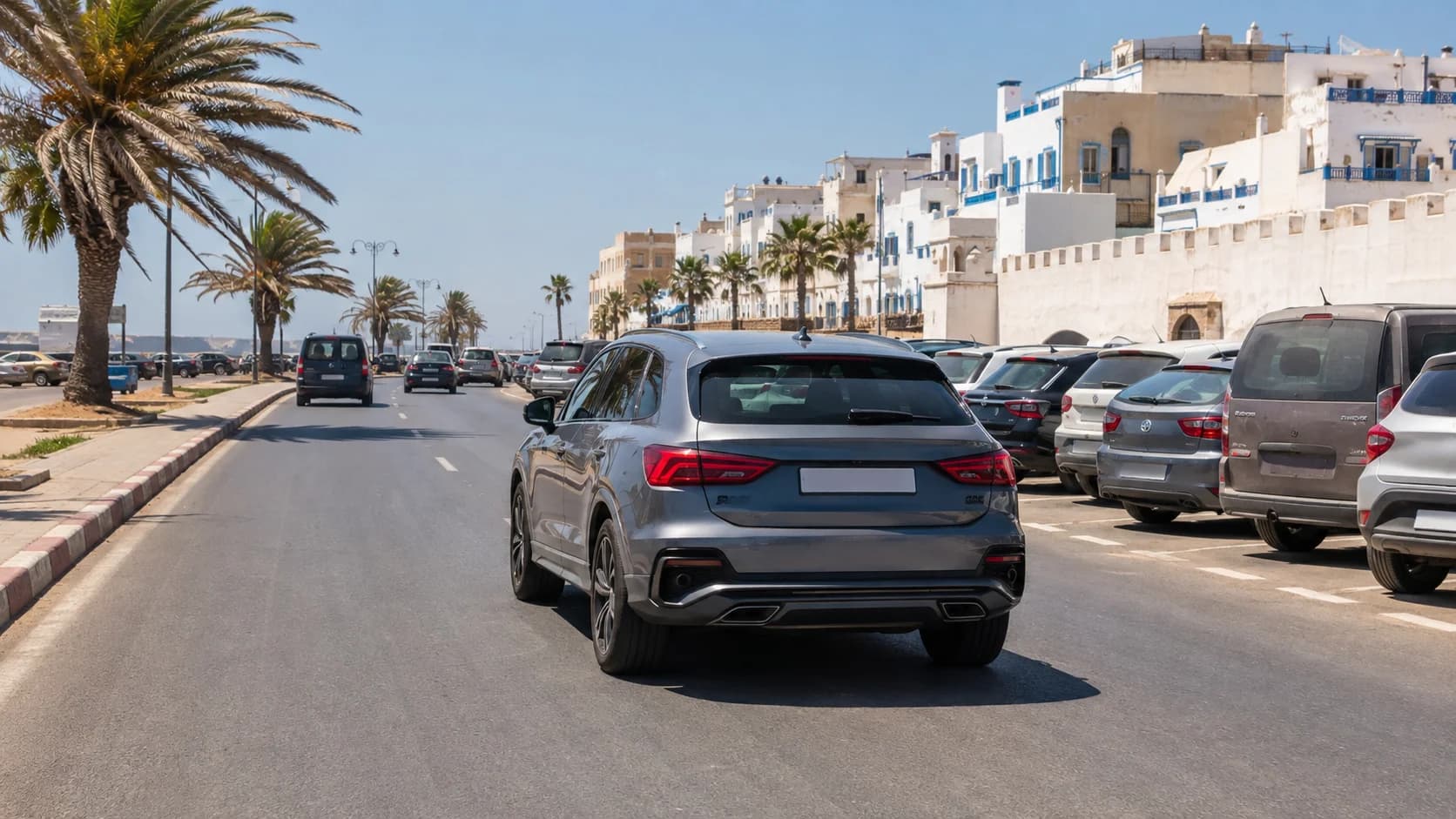
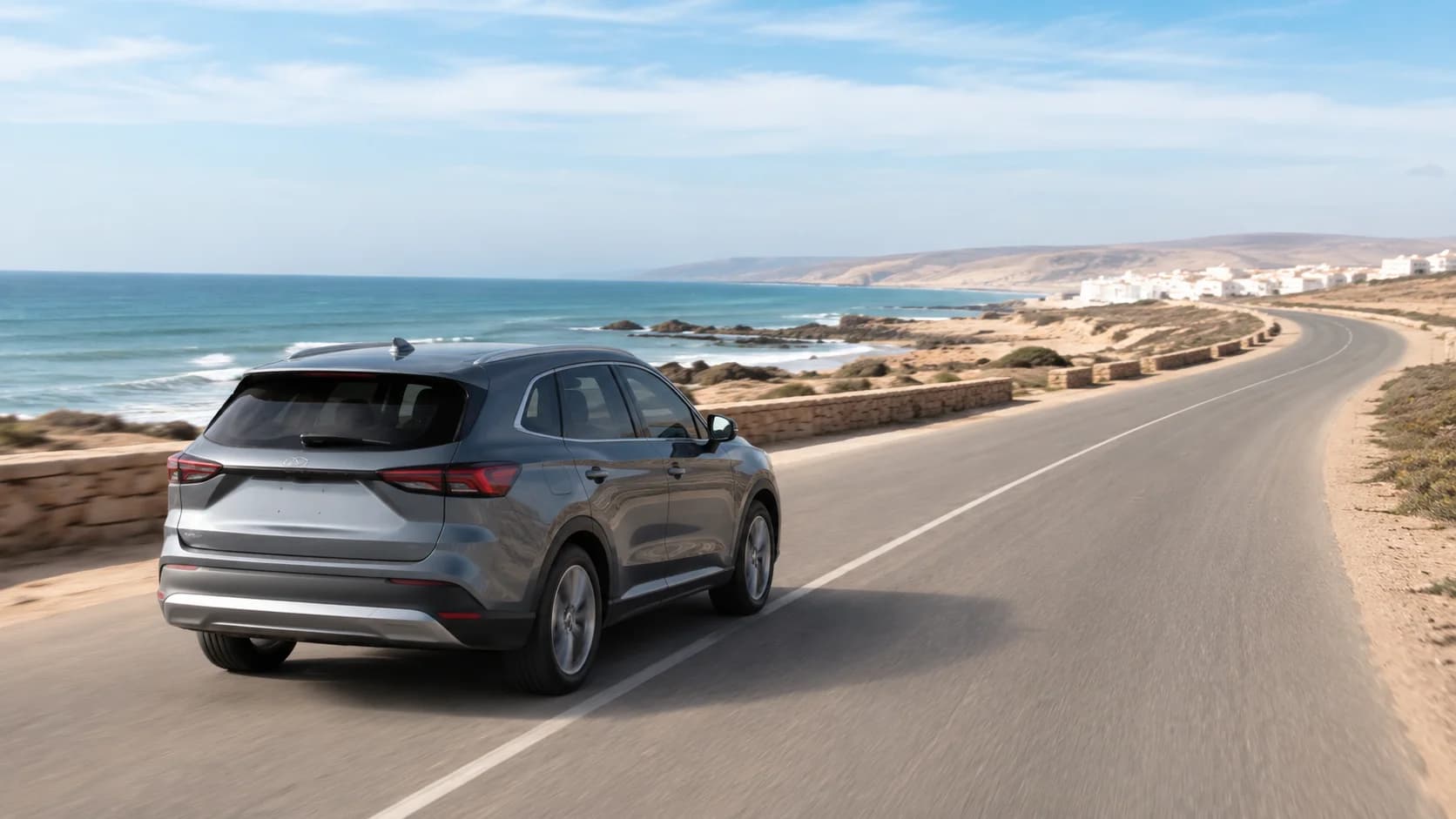
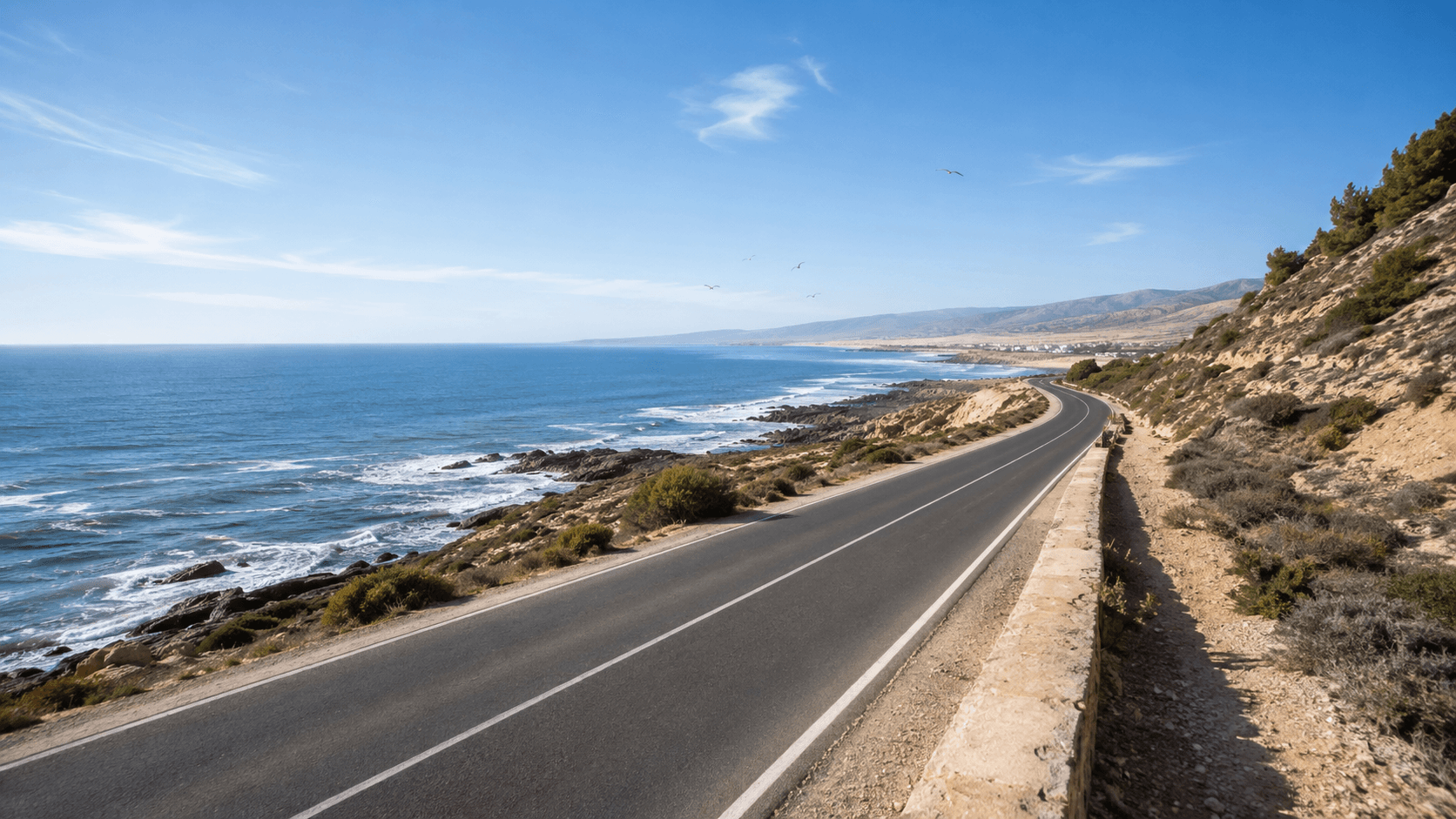
The drive from Essaouira to Had Draa is relatively straightforward. The market is generally reported as being around 25 to 30 kilometres from the city, in the direction of the inland Marrakech road. Published journey estimates range from approximately 25 to 30 minutes.
Leave Essaouira with enough time to account for slower vehicles, village traffic and increased activity near the market. The final approach may become busier on Sunday mornings as taxis, private cars, commercial vehicles and animal transport converge on the same area.
Use live navigation for the final approach rather than relying entirely on a pre-planned journey time. Road conditions, temporary activity and the location of available parking can affect where you need to stop.
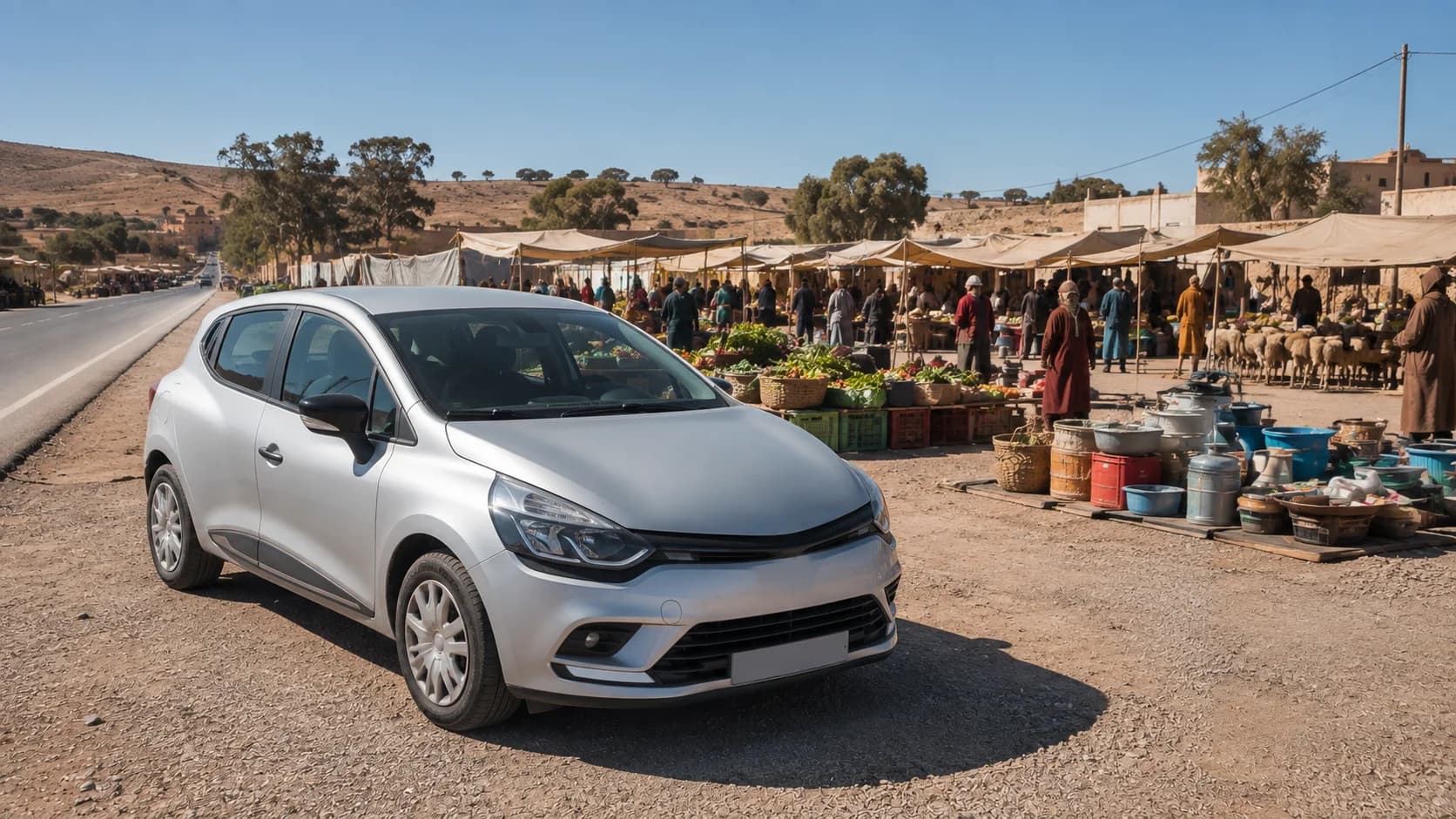
A small vehicle is sufficient for this excursion. Travellers looking for an economical option can compare cheap car rental in Essaouira. A compact hatchback rental in Essaouira can also be convenient when navigating busy access roads and informal parking areas.
Best Arrival Time on Sunday
Early morning is the best time to visit Had Draa market.
Aim to leave Essaouira at approximately 7:30 or 8:00 and arrive before 9:00. This gives you time to park before the busiest part of the morning and see a wider range of market activity.
The livestock sections are especially time-sensitive. Traders and buyers may begin their business early, and this area can start becoming quieter while other stalls continue operating. One account specifically notes that the livestock market can finish relatively early, while other sources recommend arriving by around 9:00.
Arriving early also helps with:
-
Finding a practical parking position
-
Walking through the market before midday heat
-
Avoiding the largest crowds
-
Leaving enough time for another stop in the countryside
-
Returning to Essaouira for lunch
Had Draa does not operate like a formal attraction with a fixed opening and closing schedule. Conditions may vary according to the season, weather, agricultural activity and local attendance.
Parking Near Had Draa Souk
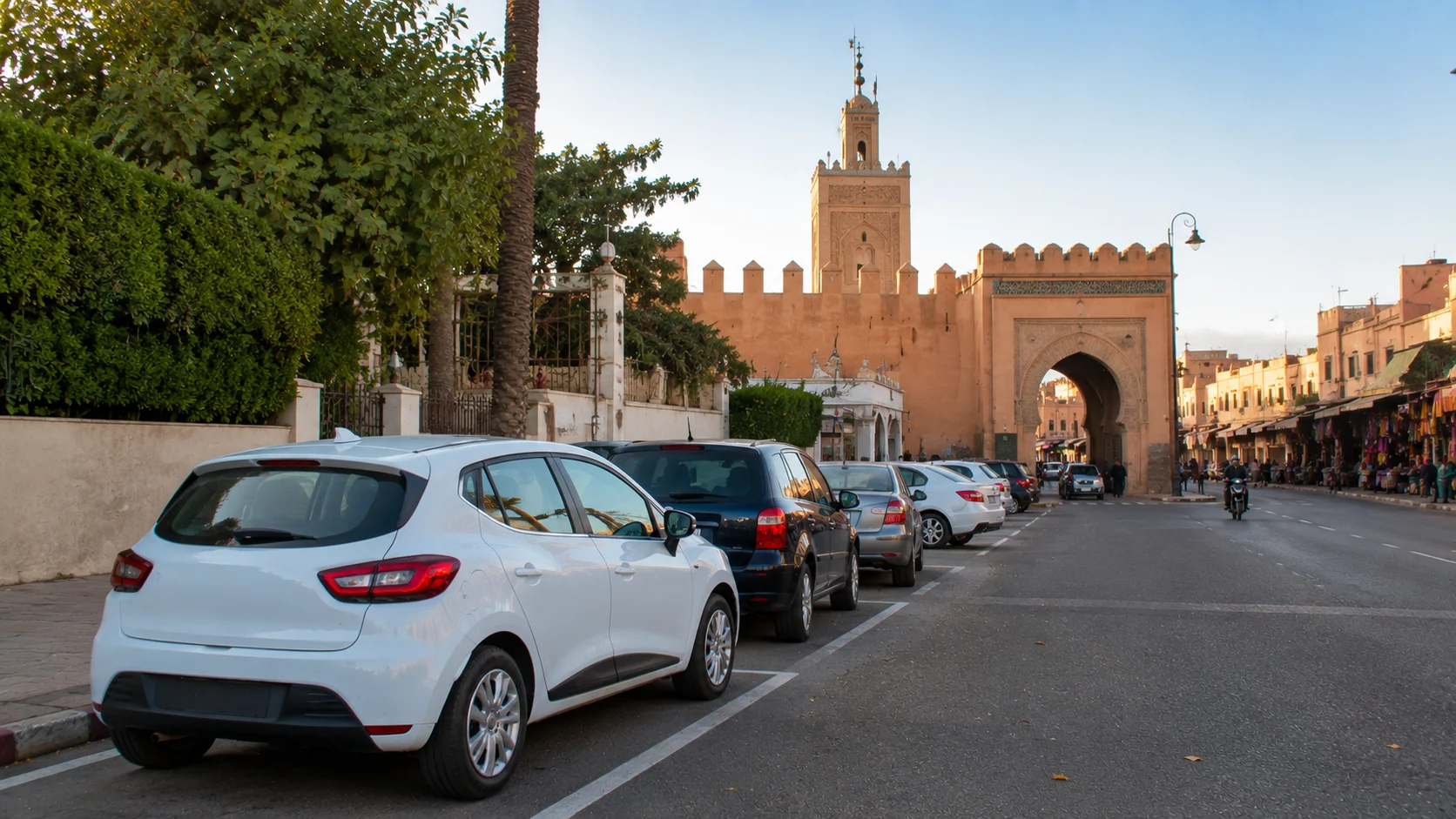
Parking around Had Draa market is generally informal rather than organised like a city-centre car park. Available areas and vehicle access can change depending on how busy the market is.
As you approach, slow down and watch where other private vehicles are being directed. Local attendants or residents may indicate where visitors should leave their cars. Follow those instructions rather than trying to park as close as possible to the stalls.
Choose a position that:
-
Does not block the road
-
Does not obstruct traders or delivery vehicles
-
Leaves enough space for your car to exit
-
Avoids entrances used by livestock
-
Does not interfere with pedestrian movement
Do not leave passports, cameras, bags or other visible valuables inside the vehicle. Lock the car and save its location on your phone, as the surrounding area can look different once more vehicles arrive.
A compact rental can make parking easier, but careful positioning matters more than the model of car.
What Visitors Will See
Had Draa is divided informally into sections according to what is being sold or traded. The exact arrangement can vary, but visitors can expect a mixture of food, household supplies, agricultural products and livestock.
Fresh produce and food supplies
Fruit, vegetables, herbs, grains, oils and other basic ingredients are important parts of a weekly rural souk. Quantities may be arranged for both household buyers and small traders.
Household goods
Expect practical merchandise rather than products selected mainly as souvenirs. Clothing, footwear, kitchen utensils, tools, containers and everyday household items may all appear.
Livestock areas
Animals are an important part of Had Draa’s trading activity. Sources describing the market mention goats, donkeys, cattle, camels and other livestock, although what is present will depend on the particular Sunday.
Some travellers may find livestock sections crowded, noisy or confronting. Maintain a safe distance, avoid interfering with transactions and do not touch animals without permission.
Food stalls and tea areas
Simple food stalls and tea tents serve traders and shoppers during the morning. Standards and facilities may be basic, so choose carefully and carry bottled water.
The market is also a place where residents socialise, drink tea and exchange news.
Cash, Bargaining and Practical Etiquette
Bring cash in Moroccan dirhams. Smaller notes and coins are useful because card payments should not be expected from rural market vendors.
Purchasing is optional. You can walk through the market without feeling pressure to buy, provided you do not block stalls or interfere with negotiations.
When you are interested in an item:
-
Greet the vendor.
-
Ask for the price.
-
Decide whether it is reasonable for you.
-
Negotiate politely only when appropriate.
-
Accept the answer or move on calmly.
Bargaining should remain friendly. There is no need to negotiate aggressively over a small difference, particularly when buying food or inexpensive everyday goods.
Avoid handling produce repeatedly without asking. In livestock areas, remain outside active negotiations and give traders enough room to work.
Wear modest, practical clothing suitable for a rural public space. Closed shoes are preferable because surfaces may be dusty, muddy or uneven.
Photography and Respectful Behaviour
Photography at Had Draa requires particular care. This is a working market where people are shopping, earning a living and conducting private business in a public setting.
Always ask clearly before photographing an identifiable person. A smile and a gesture towards your camera may be enough to communicate the question, but wait for a clear positive response before taking the picture. Travellers’ photography guidance for Morocco consistently recommends asking permission, particularly for close portraits and in rural areas.
If someone refuses, lower the camera and move on without argument.
Be especially cautious around:
-
Children
-
Older residents
-
People praying
-
Livestock negotiations
-
Animal treatment or slaughter areas
-
Anyone who appears uncomfortable
-
Private conversations and transactions
Do not assume that buying an item automatically gives you permission to photograph the seller. Ask separately.
Wide photographs of the market environment can be less intrusive, but check who is identifiable in the frame. Avoid standing in the middle of a busy path while composing a photograph.
Sensitivity is also important around animals. Do not create staged interactions, frighten animals for a reaction or obstruct handlers for a better angle.
Rental Car, Taxi or Organised Trip?
There are several ways to make the Essaouira Sunday market trip.
Rental car
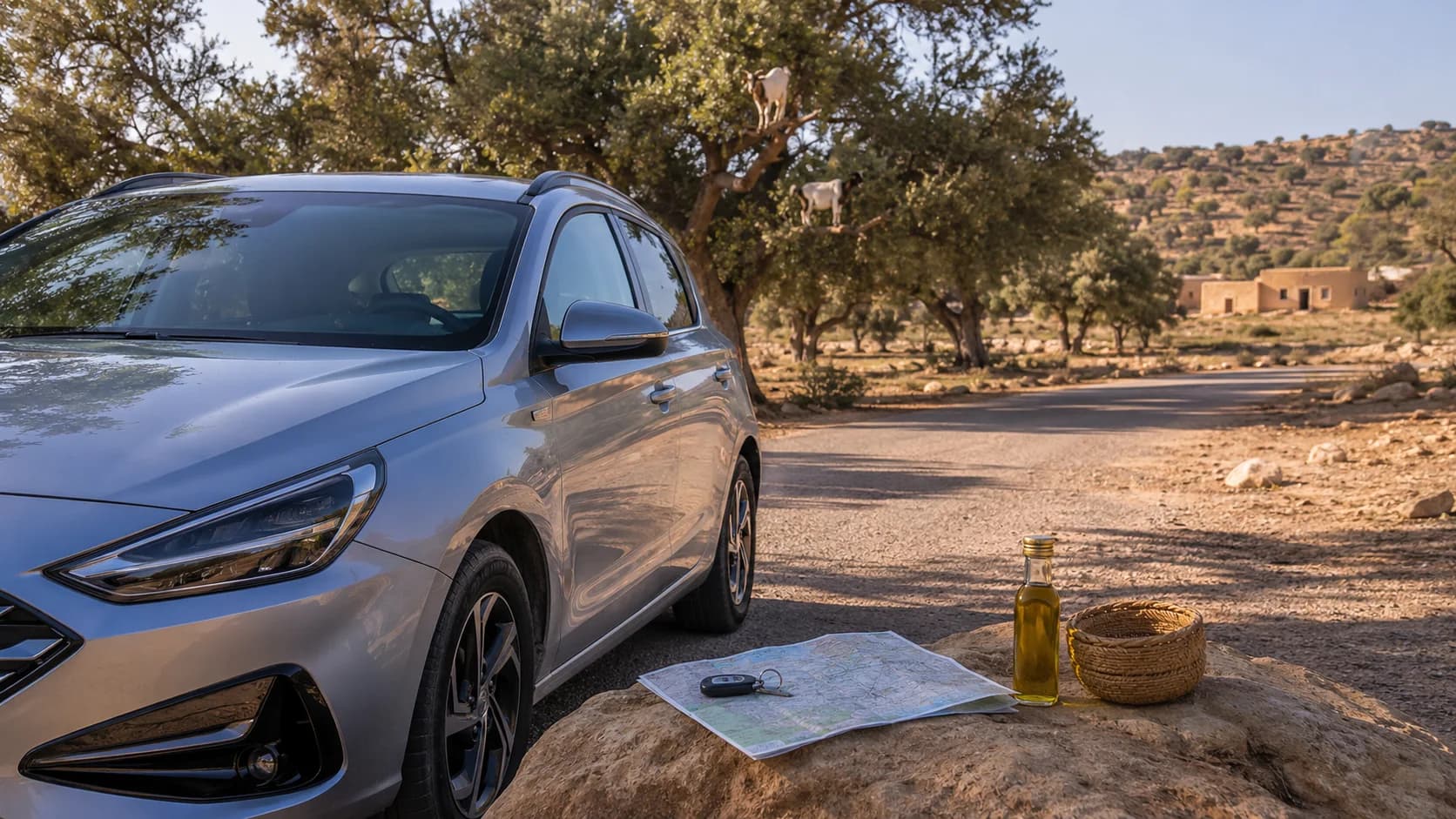
Self-driving provides the most control. You can leave Essaouira early, spend as much or as little time as you prefer and continue to another countryside destination afterward.
It is a good option for travellers who:
-
Are comfortable driving in Morocco
-
Want an early start
-
Prefer not to wait for shared transport
-
Plan to explore beyond the market
-
Want direct hotel or accommodation departure
Browse the main car rental Essaouira page to compare available vehicle categories.
Grand taxi
A shared or privately arranged grand taxi may be suitable for travellers who do not want to drive. Confirm whether the fare is per person or for the whole vehicle, and arrange the return journey before leaving Essaouira.
A one-way taxi may not automatically wait for you, so agree on the pickup location and return time in advance.
Organised visit
A guided trip can be valuable for visitors who want explanations about the market’s different sections. A local guide may also help with language, navigation and appropriate behaviour.
Guided visits are generally more structured and may limit how long you remain at the market, but they can provide useful context that is difficult to gain independently.
Sunday Market Checklist
Before leaving Essaouira, check that you have:
-
Moroccan dirhams in small notes and coins
-
Drinking water
-
Closed, comfortable shoes
-
Modest clothing
-
Sun protection
-
A charged phone
-
Offline or live navigation
-
Your rental agreement and driving documents
-
A small reusable shopping bag
-
Tissues or hand sanitiser
-
A planned return or departure time
Try to keep valuables to a minimum. A small crossbody bag or secure zipped pocket is more practical than carrying a large backpack through crowded sections.
Plan your departure before the busiest exit period. Leaving by late morning usually gives you time to return to Essaouira or continue exploring the surrounding countryside.
Frequently Asked Questions
What day is Had Draa market?
Had Draa market takes place every Sunday. It begins early in the morning, with some trading activity starting around sunrise.
How far is Had Draa from Essaouira?
Most published estimates place Had Draa approximately 25 to 30 kilometres from Essaouira. The exact distance depends on your starting point in the city.
How long does it take to drive to Had Draa market?
Allow approximately 25 to 35 minutes under normal conditions. Sunday traffic near the market can add time to the final approach.
What time should I arrive at Had Draa souk?
Arriving between approximately 8:00 and 9:00 is recommended. Early arrival offers a better chance of seeing the livestock trade and finding convenient parking.
Is there parking near Had Draa market?
Parking is normally available around the market, but it may be informal. Follow local directions, avoid blocking access routes and remember where you leave the vehicle.
Do I need cash at Had Draa market?
Yes. Bring Moroccan dirhams, preferably in smaller denominations. Card payment facilities should not be expected.
Is Had Draa market suitable for tourists?
Visitors can attend, but they should remember that it is primarily a working local market. It can be crowded, dusty and visually intense, particularly around livestock areas.
Can I take photos at the market?
You can photograph general scenes, but you should ask permission before taking identifiable photographs of people. Respect refusals and use additional sensitivity around children and animals.
Is it better to visit by car or taxi?
A rental car provides greater flexibility, especially for an early departure or a combined countryside excursion. A taxi is useful for travellers who prefer not to drive.
How long should I spend at Had Draa market?
Approximately two hours is enough for most visitors. Allow longer if you want to explore slowly, make purchases or visit with a guide.
Explore the Essaouira Countryside by Car
A trip to Had Draa offers a practical look at weekly commerce and community life beyond Essaouira’s medina. The best approach is simple: start early, carry cash, dress comfortably and remember that the souk exists for the people who live and trade there.
Explore Essaouira’s countryside at your own pace with a compact, affordable rental from MarHire Car Essaouira, including flexible delivery, unlimited kilometres and local support when you need it.