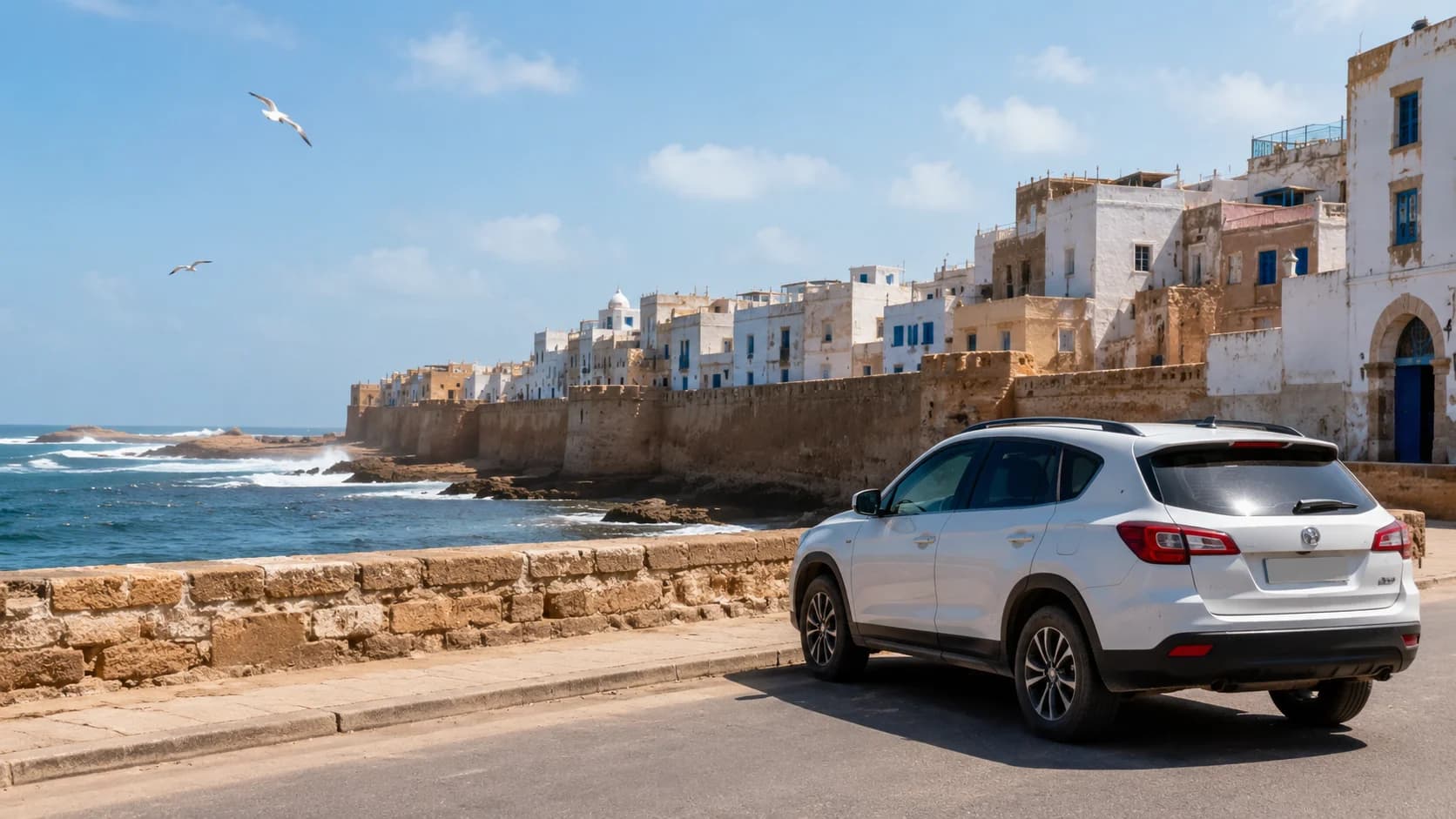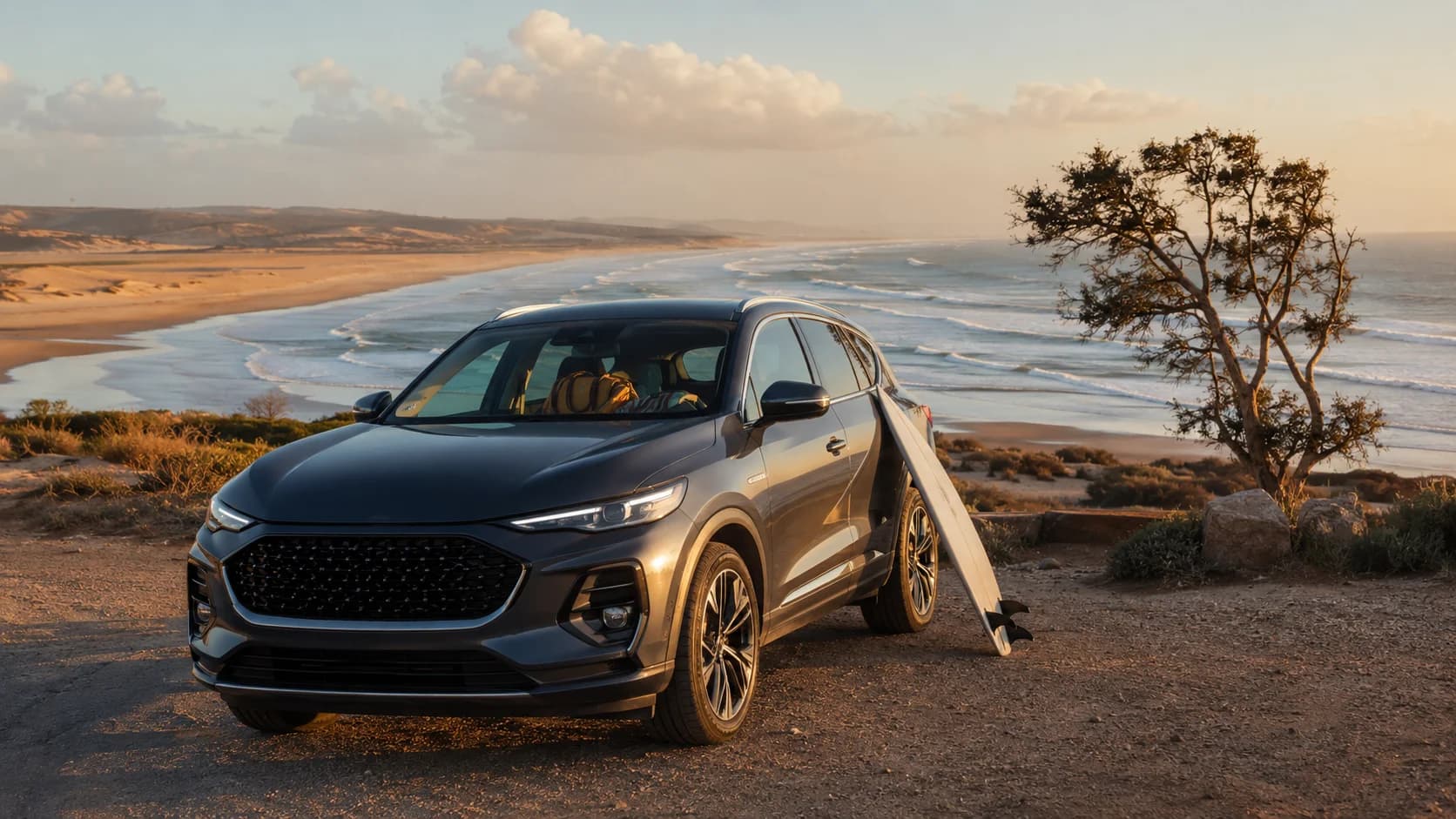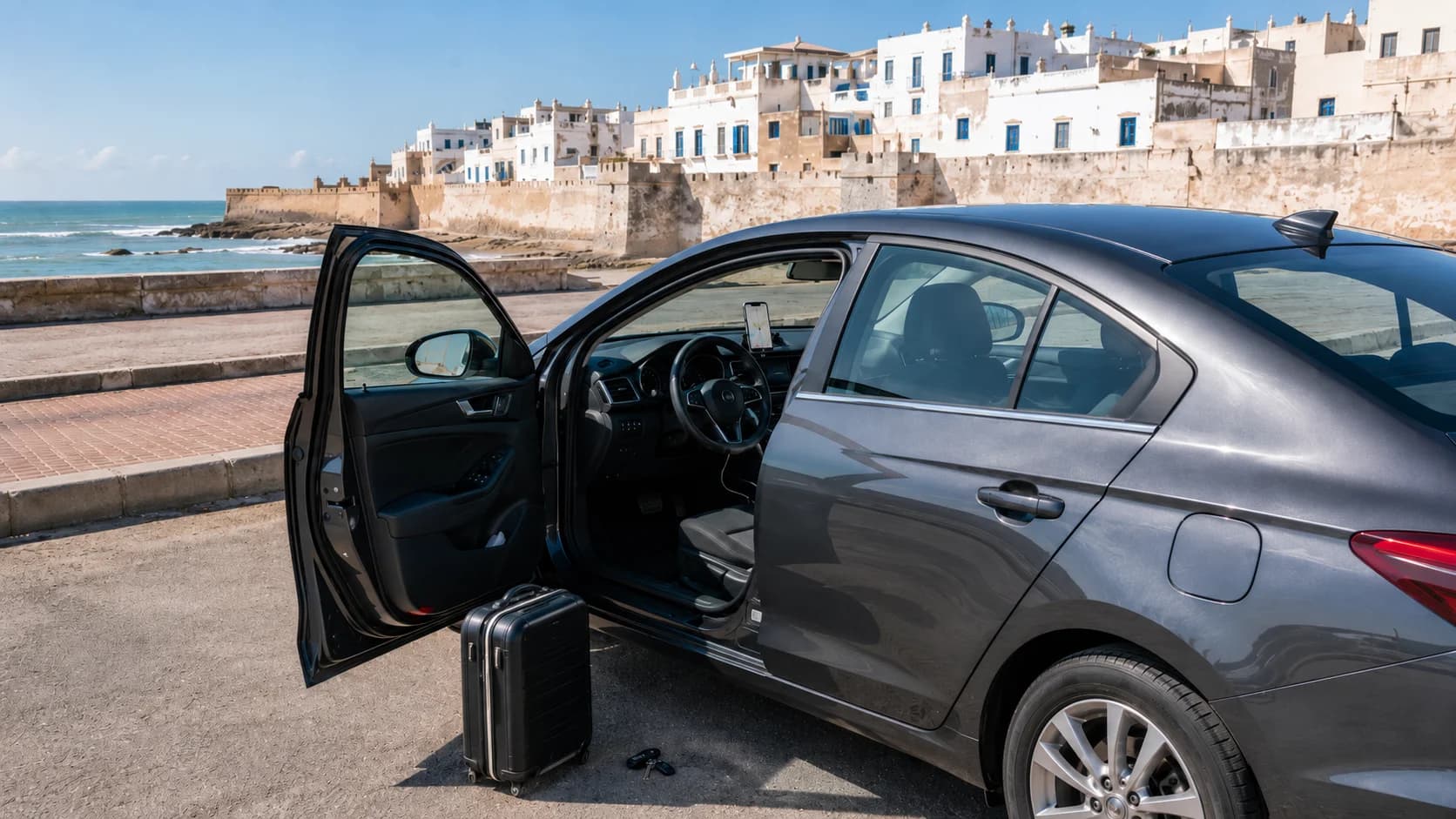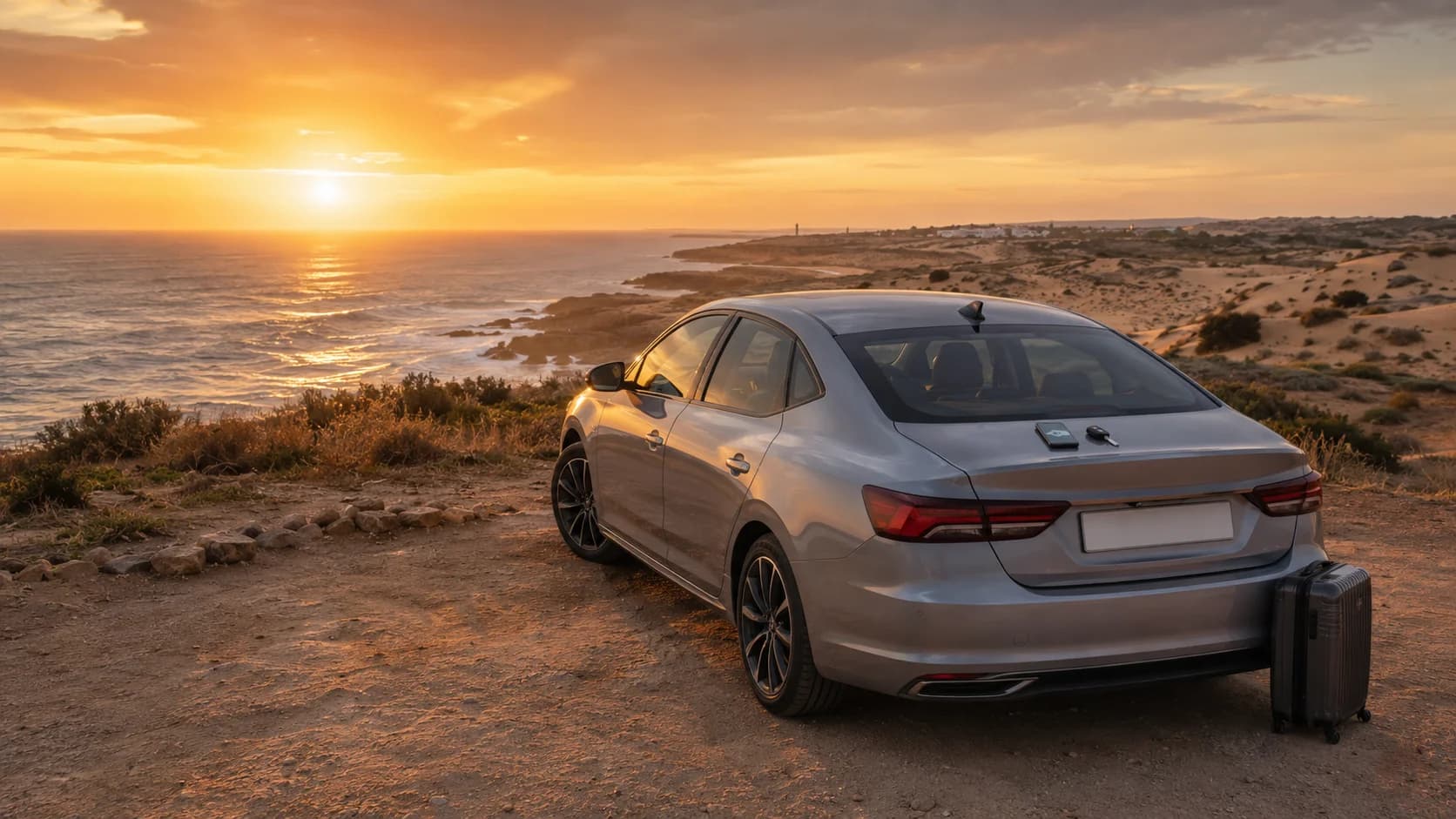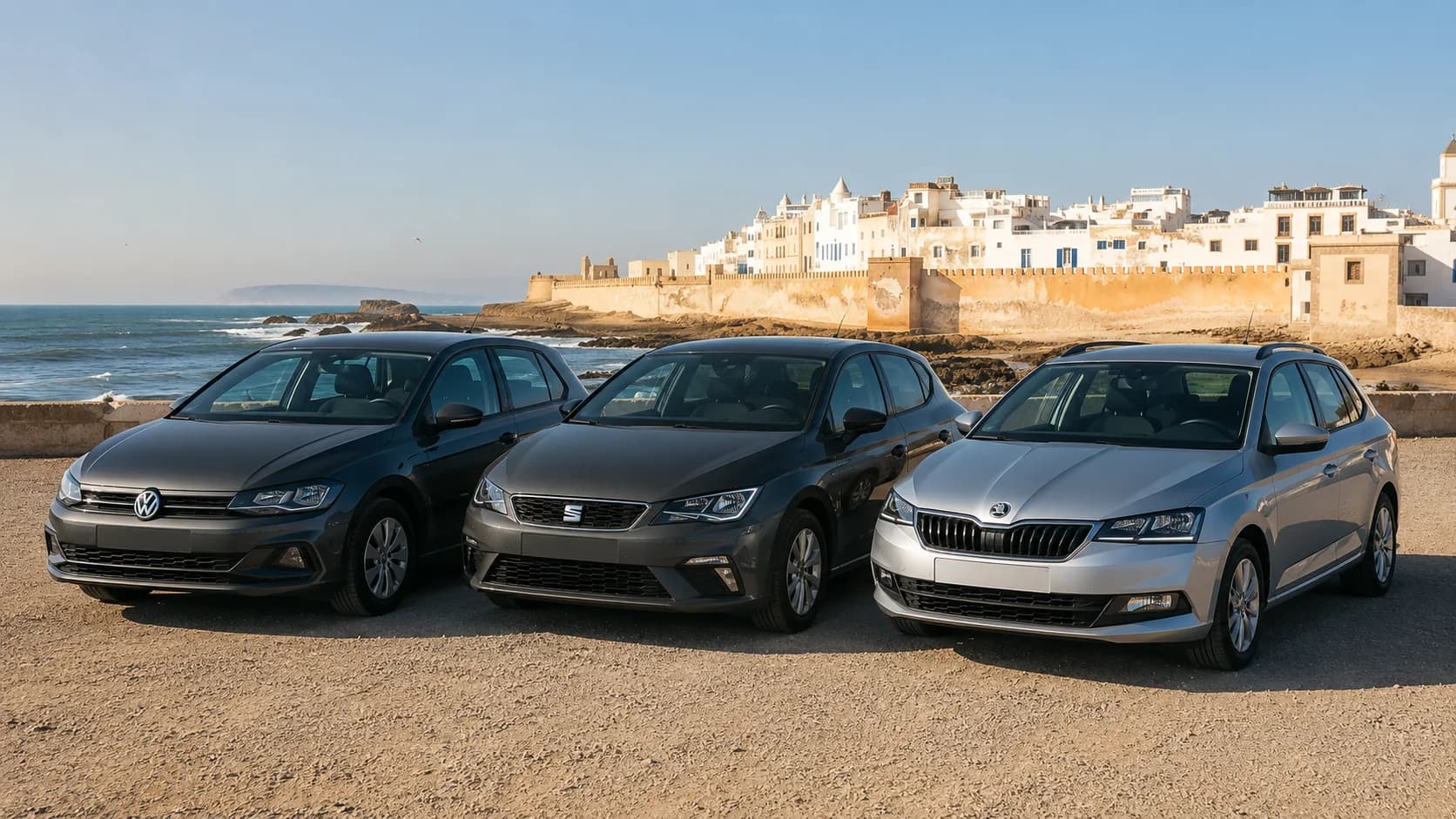









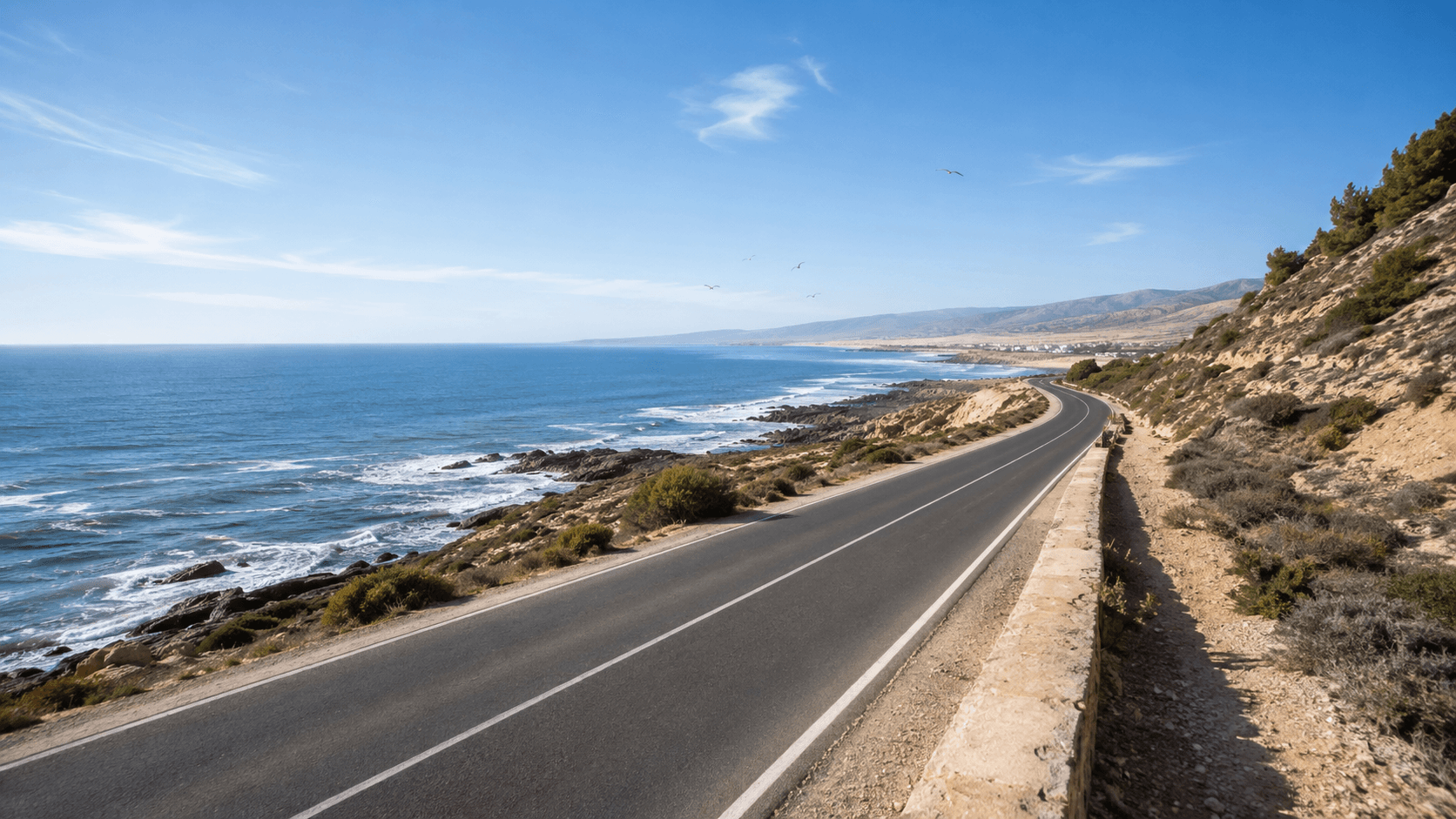
The Marrakech to Essaouira drive is one of Morocco’s most enjoyable coastal road trips. In less than three hours, the landscape changes from the busy streets of Marrakech to Atlantic winds, whitewashed medina walls, and seafood restaurants overlooking the ocean in Essaouira.
For travelers who want flexibility, the drive from Marrakech to Essaouira offers far more freedom than buses or group tours. You can stop at roadside cafés, visit argan cooperatives near Ounagha, explore the Chichaoua market, and arrive in Essaouira at your own pace.
Whether you are planning a quick day trip or a longer Atlantic Coast itinerary, this 2026 guide explains everything you need to know about the road from Marrakech to Essaouira, including route details, driving conditions, parking, fuel costs, and the best places to stop along the way.
How long does it take to drive from Marrakech to Essaouira?
The marrakech to essaouira drive takes around 2.5 to 3 hours depending on traffic, stops, and weather conditions. The journey covers approximately 190 km using the A7 motorway exit toward Chichaoua before continuing west on the R207 road to Essaouira. The route is paved, straightforward, and suitable for most drivers year-round.
1. The Route at a Glance
The road from Marrakech to Essaouira is simple, direct, and well-traveled by both tourists and locals.
Quick Route Overview
- Distance: approximately 190 km
- Driving time: around 2.5 hours without long stops
- Main roads: A7 motorway section + R207 road
- Road quality: generally very good
- Tolls: minimal on the motorway section, none on the R207
- Fuel estimate: around 210 MAD round trip depending on vehicle type
- Best for: day trips, surf travel, coastal itineraries, self-drive Morocco routes
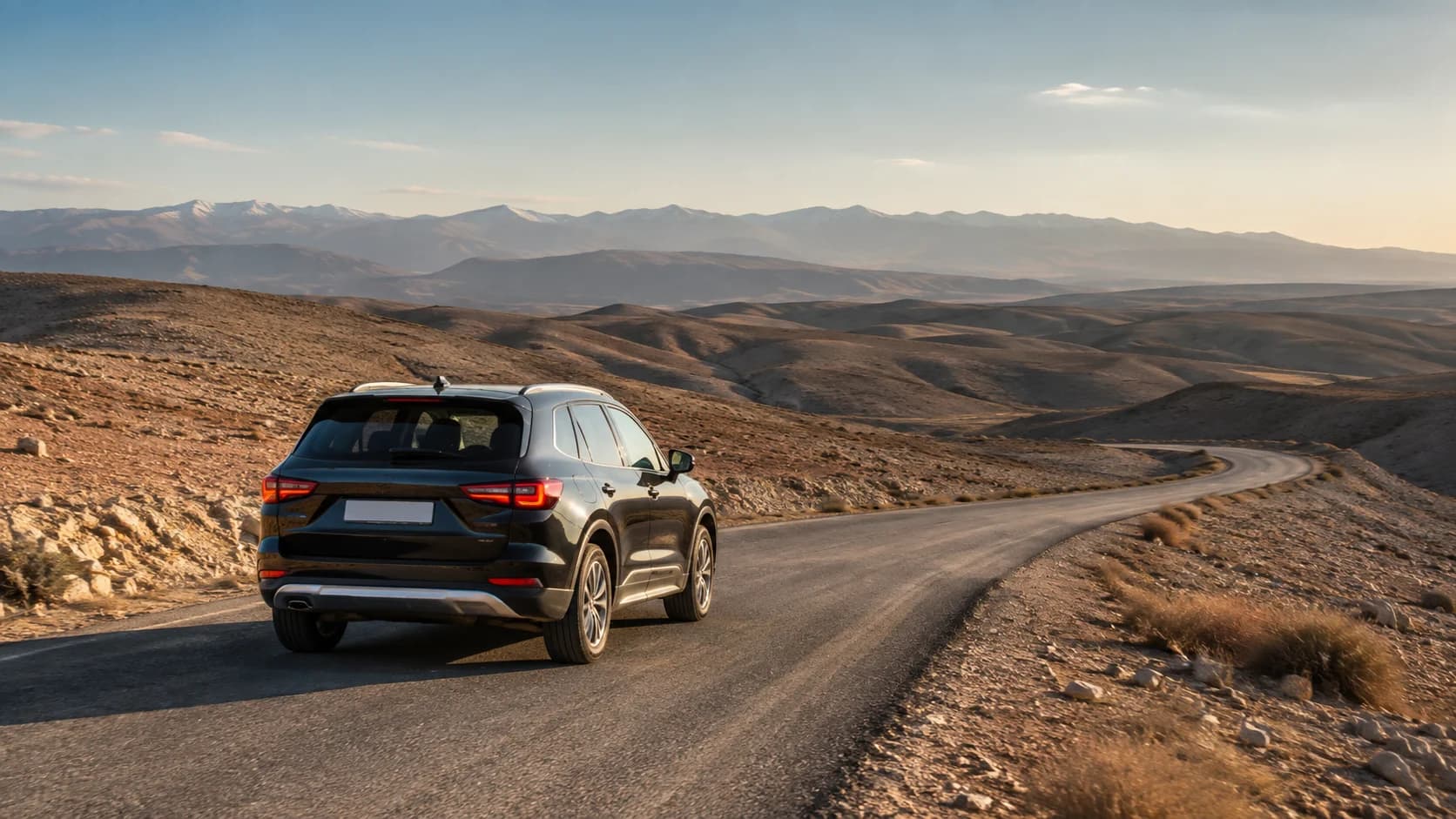
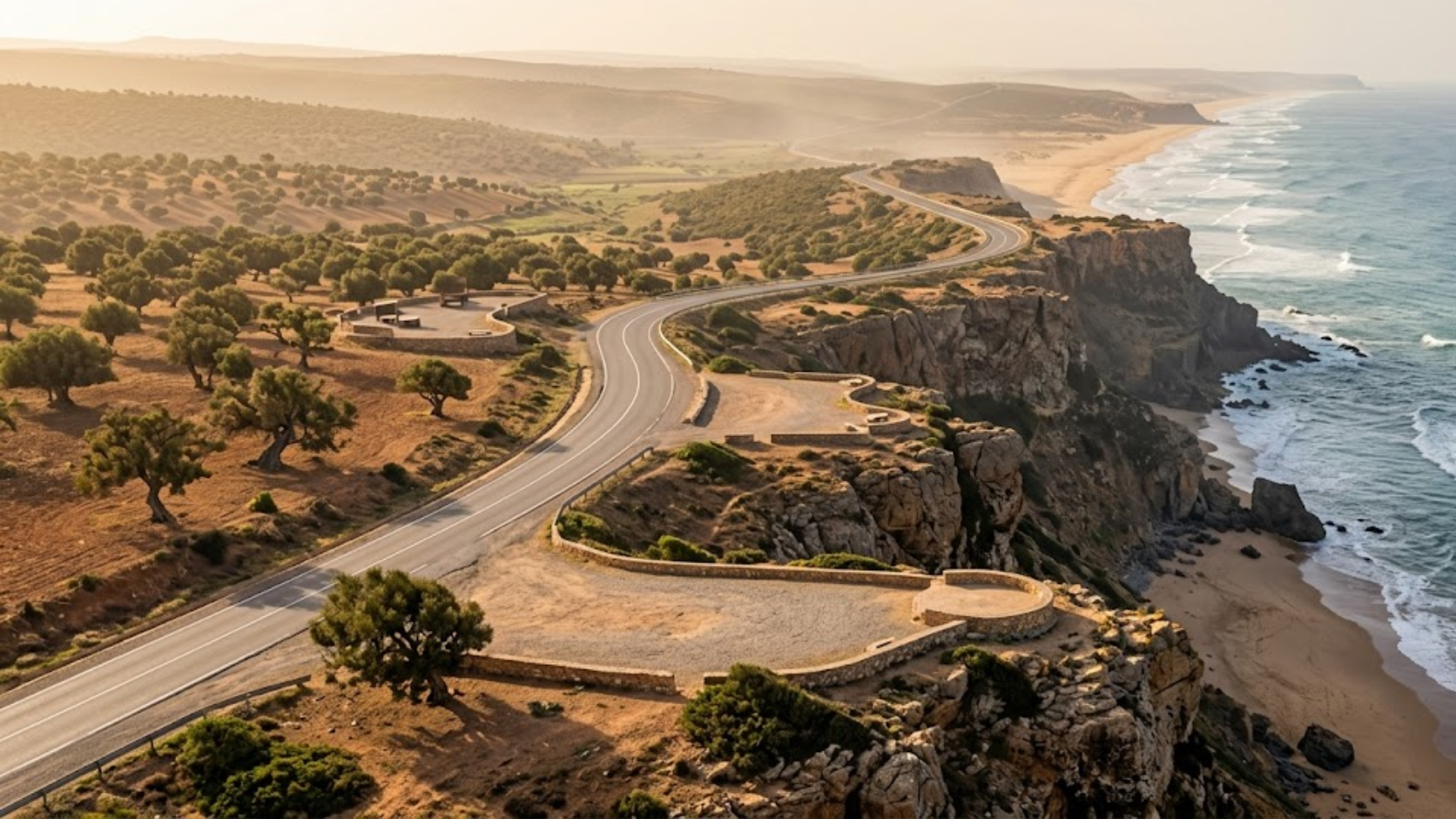
The first section leaving Marrakech is modern and smooth. After Chichaoua, the scenery becomes more rural with rolling hills, argan tree landscapes, small villages, and open stretches leading toward the Atlantic Coast.
Many travelers underestimate how scenic the drive from Marrakech to Essaouira can be. Unlike some mountain routes in Morocco, this road is relatively relaxed and does not require advanced driving experience.
2. Step-by-Step Driving Directions
The marrakech to essaouira by car route is straightforward even for first-time visitors to Morocco.
Marrakech → A7 Motorway
Start by leaving Marrakech southwest toward the A7 motorway. Depending on where you stay in the city, traffic can be slow during morning rush hour, especially around Gueliz and the Medina exits.
Use GPS navigation and follow signs toward Agadir and Chichaoua.
The motorway portion is smooth and modern, making the first part of the journey easy and fast.
A7 Exit Toward Chichaoua
After driving south on the A7, take the exit toward Chichaoua. This is where the route changes from motorway driving to regional roads.
Chichaoua is a common rest point for drivers traveling between Marrakech and Essaouira.
Chichaoua → R207 Road
From Chichaoua, continue west on the R207 road toward Essaouira. This is the main road connecting Marrakech to the coast.
The R207 is paved and generally in good condition. You will pass:
- small villages
- roadside cafés
- argan tree fields
- local markets
- rural farms
Traffic is usually moderate, though slower-moving trucks and motorcycles are common.
Ounagha → Essaouira
As you approach Ounagha, you begin entering the Essaouira region. This area is famous for argan oil cooperatives and traditional production workshops.
From Ounagha, continue west until you reach Essaouira. The final approach into the city becomes noticeably windier and cooler due to the Atlantic climate.
You will eventually arrive near Bab Doukkala and the main entrances to the medina.
3. Best Stops Along the Way
One of the biggest advantages of the marrakech to essaouira drive is the ability to stop whenever you want.
Chichaoua Market
Chichaoua is the most popular midway stop on the route.
The town is known for:
- roadside cafés
- grilled meat restaurants
- fresh bread stalls
- traditional weekly markets
It is a practical stop for coffee, fuel, or a quick meal before continuing toward the coast.
Argan Cooperatives Near Ounagha
Ounagha is famous for argan oil production.
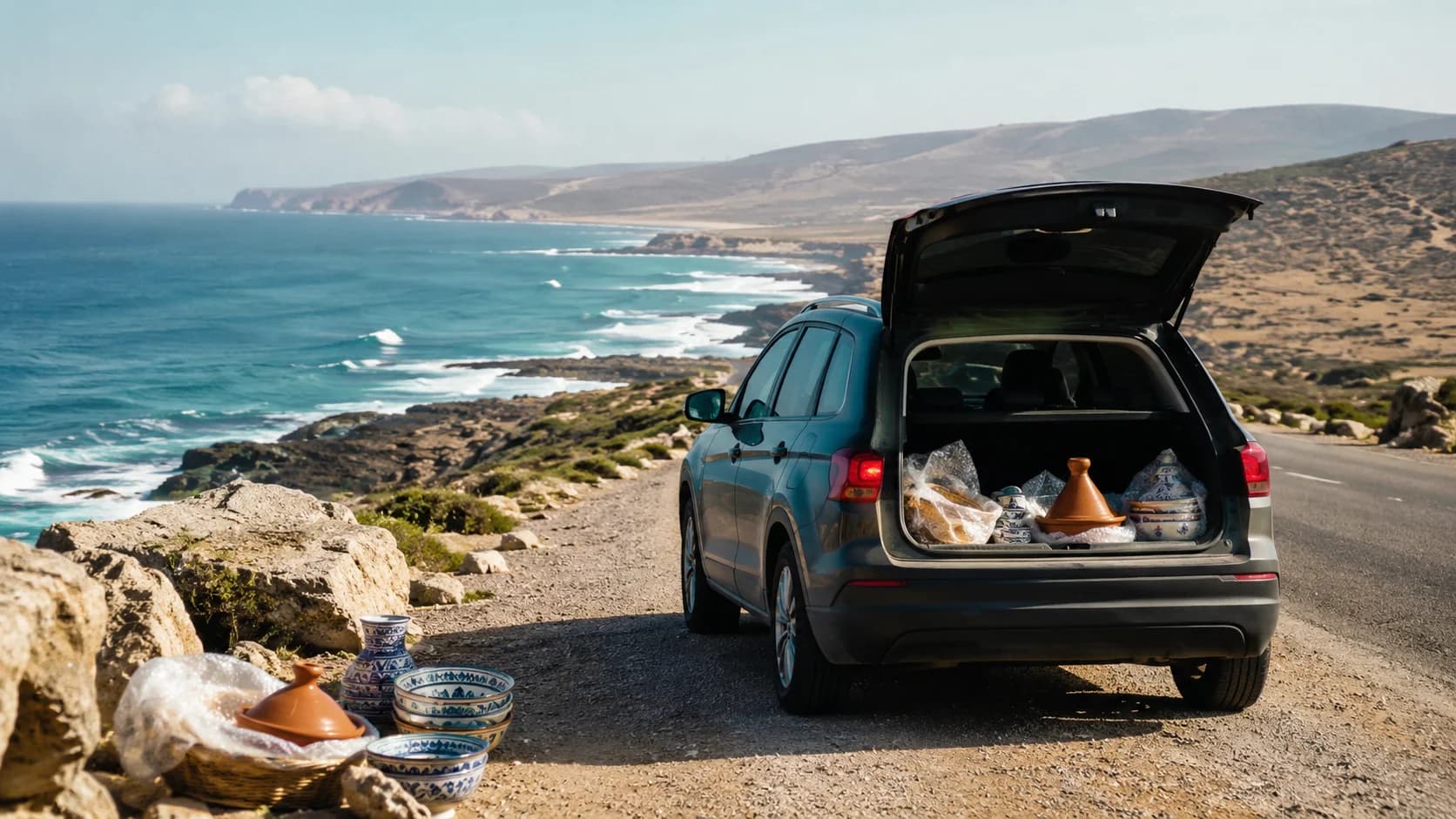
Several women-led cooperatives operate in the area, including small traditional workshops and larger visitor-friendly cooperatives similar to Marjana or Tighanimine-style producers.
Here you can:
- see how argan oil is made
- buy cosmetic or culinary argan oil
- taste local products
- learn about Berber production methods
Some stops are highly commercialized, while others remain small and authentic. If you prefer a quieter experience, avoid large tour buses and stop at smaller roadside cooperatives.
Diabat
Before entering Essaouira itself, many travelers stop in Diabat.
This laid-back village is known for:
- beach access
- surfing atmosphere
- horseback riding
- quieter cafés
- coastal dunes
Diabat also has historical associations with musicians and artists who visited Essaouira during the 1960s and 1970s.
It is a peaceful alternative to the busier city center.
4. What to Expect on the Road
The drive from Marrakech to Essaouira is considered one of Morocco’s easier intercity routes, but there are still some important local driving realities to understand.
Road Quality
The A7 section is modern and smooth.
The R207 road is narrower but remains fully paved and generally in good condition. Some areas may have minor repairs or uneven shoulders, especially after heavy weather.
Livestock and Rural Traffic
As you approach rural zones, you may encounter:
- goats
- donkeys
- sheep
- tractors
- motorcycles
- slow-moving trucks
Always stay alert, especially near villages.
Speed Limits
Typical speed limits include:
- 60 km/h inside towns
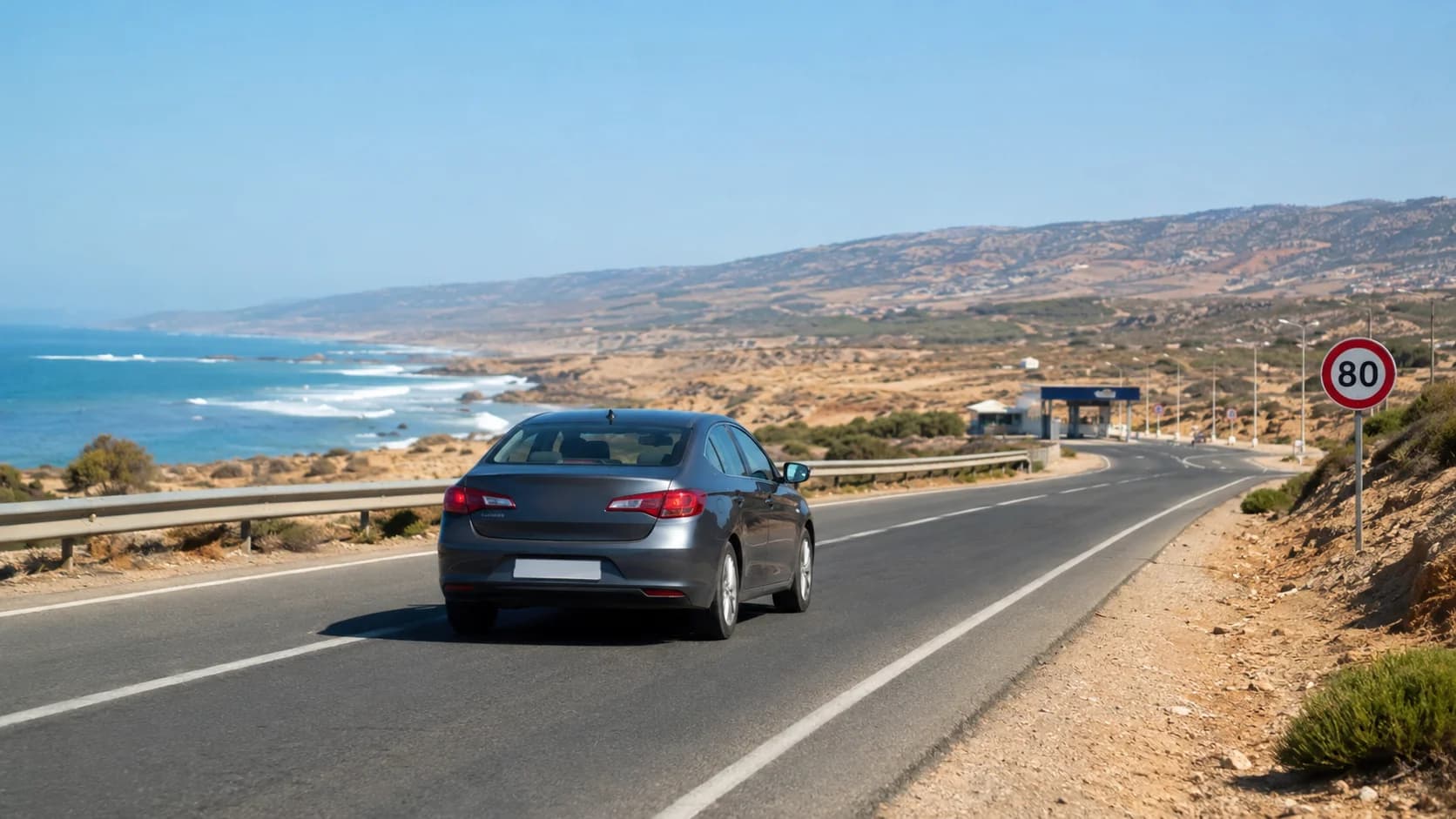
- 80–100 km/h on regional roads
- 120 km/h on motorway sections
Police radar controls are common throughout Morocco, including along the R207.
Police Checkpoints
You may encounter routine police checkpoints between Marrakech and Essaouira.
These are normal and usually quick. Officers may ask for:
- passport
- driver’s license
- rental paperwork
Stay polite and follow instructions carefully.
Driving at Night
Although the road is technically safe, nighttime driving is less comfortable because:
- lighting is limited
- animals may cross unexpectedly
- some vehicles drive without strong headlights
For most travelers, daytime driving is strongly recommended.
5. Cost Breakdown
The marrakech essaouira distance is manageable enough to keep transport costs relatively reasonable.
Estimated Fuel Costs
Fuel costs vary depending on the car type and fuel prices, but average estimates are:
- Economy car: 180–210 MAD round trip
- SUV: 250–350 MAD round trip
- Diesel vehicles: usually slightly cheaper
Tolls
The A7 motorway section may include a small toll depending on your exact entry point, but the R207 itself has no tolls.
Food and Stops
Typical optional expenses:
- roadside coffee: 10–20 MAD
- local lunch stop: 50–120 MAD
- argan cooperative purchases: optional
Total Trip Cost Estimate
For most travelers, the total day-trip transport cost ranges between:
- 250 MAD
- 500 MAD
This depends mainly on vehicle type and shopping stops.
6. Best Time of Day and Year to Drive
Timing makes a big difference on this route.
Best Time of Day
The ideal departure time from Marrakech is:
- between 7:30 AM and 9:00 AM
This allows you to:
- avoid heavy city traffic
- arrive before midday crowds
- enjoy lunch by the ocean in Essaouira
Friday afternoons can be busier due to local travel patterns and weekend movement.
Best Season
Spring is widely considered the best season for the marrakech to essaouira drive.
Spring (March–May)
Ideal temperatures, green landscapes, and comfortable coastal weather make spring the top choice.
Autumn (September–November)
Another excellent period with warm days and fewer tourists.
Summer
Essaouira stays cooler than Marrakech thanks to Atlantic winds, making it a popular summer escape.
Winter
Winter is still manageable, though coastal winds and occasional rain may reduce visibility.
7. Where to Park When You Arrive
Essaouira has a largely pedestrian medina, so understanding parking is important before arrival.
Medina Access
Cars cannot freely circulate inside most of the old medina streets.
Instead, visitors usually park outside the walls and walk into the city center.
Best Parking Areas
The most practical parking areas are near:
- Bab Doukkala
- Bab Marrakech
These areas provide easier access to:
- riads
- hotels
- the medina
- beach areas
Place Moulay Hassan
Place Moulay Hassan is the city’s main public square near the port and medina entrance.
It is one of the best reference points when navigating the city on foot after parking.
Parking Costs
Parking usually costs:
- 20–50 MAD per day
- more during peak tourist periods
Always confirm pricing before leaving the car.
8. Should You Rent in Marrakech or Essaouira?
This depends on your itinerary.
Renting in Marrakech
For most international travelers, starting with a Marrakech car rental is the most practical option.
Advantages include:
- wider vehicle selection
- airport pickup availability
- easier long-distance planning
- direct start to the road trip
Renting in Essaouira
If you are already staying on the coast, you can also rent a car in Essaouira for regional exploration.
This works well for:
- surfing trips
- Atlantic Coast drives
- Essaouira-based holidays
One-Way Rentals
Many travelers prefer:
- pickup in Marrakech
- return in Essaouira
This option reduces backtracking and works well for longer Morocco itineraries.
Budget Options
Travelers looking for lower-cost vehicles can also explore cheap car rental options for economy road trips across Morocco.
9. Frequently Asked Questions
How long is the drive from Marrakech to Essaouira?
The drive takes approximately 2.5 to 3 hours covering around 190 km depending on traffic, stops, and weather conditions.
Are there tolls between Marrakech and Essaouira?
There may be a small toll on the A7 motorway section leaving Marrakech, but the R207 road toward Essaouira has no tolls.
Can I do Essaouira as a day trip from Marrakech?
Yes. Many travelers complete the drive comfortably as a day trip. Leaving Marrakech early in the morning gives enough time to explore the medina, beach, and seafood restaurants before returning.
Where should I stop along the way?
Popular stops include Chichaoua for food and coffee, argan cooperatives near Ounagha, and Diabat before entering Essaouira.
Is the road safe at night?
The route is generally safe, but nighttime driving is less recommended due to limited lighting, rural traffic, and occasional livestock crossings.
What’s the best month to make this drive?
Spring months such as March, April, and May usually provide the best driving conditions and temperatures.
Should I rent in Marrakech and return in Essaouira?
Yes, especially for travelers continuing along Morocco’s Atlantic Coast. One-way rentals can save time and simplify your itinerary.
Is the road suitable for beginner drivers?
Yes. Compared with mountain routes in Morocco, the road from Marrakech to Essaouira is relatively easy and suitable for most drivers.
10. Book With Car Hire Essaouira
The marrakech to essaouira drive combines convenience, scenery, and flexibility in a way that few Moroccan routes can match. From argan tree landscapes and local markets to Atlantic ocean views and historic medina streets, the journey itself becomes part of the travel experience.
Whether you are planning a relaxed coastal holiday, a surfing trip, or a fast day trip from Marrakech, having your own vehicle gives you the freedom to stop wherever you want and travel at your own pace.
Car Hire Essaouira helps travelers explore Morocco with flexible pickup locations, modern vehicles, transparent pricing, and convenient options across multiple Moroccan cities including Marrakech and Essaouira.